In the autumn of 2025, the parish community of St. Francis invited its members to join a trip to Rome during Pentecost of the following year. The trip was conceived by church administrator Robert Lerchenberger and carried the official title “Rome – Inspiration for Connoisseurs and Enthusiasts.” Organized through the Bavarian Pilgrimage Office, it was ultimately offered as a pilgrimage.
Robert trained as a teacher of Latin and, following his retirement from a career in human resources, discovered a passion for the history of Rome. Since then, he has devoted himself to researching and writing on a number of historical topics. The more than 200 pages of introductory material provided in preparation for the trip offered an early indication of the historical ambitions behind the journey. I had rather expected a culinary guide instead. Departing by train on the evening of Pentecost Monday, we arrived at Rome’s Termini station around midday on Tuesday.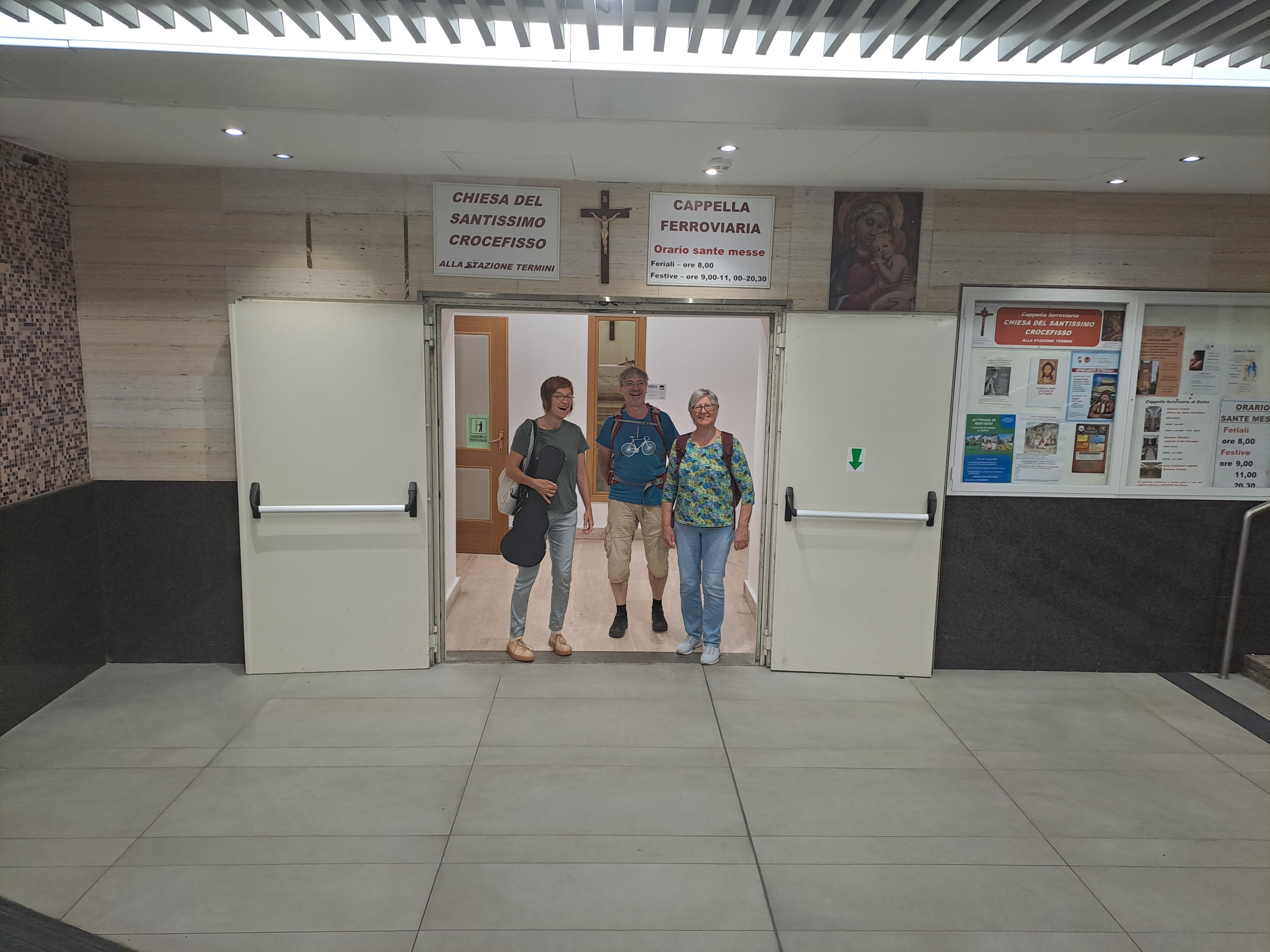
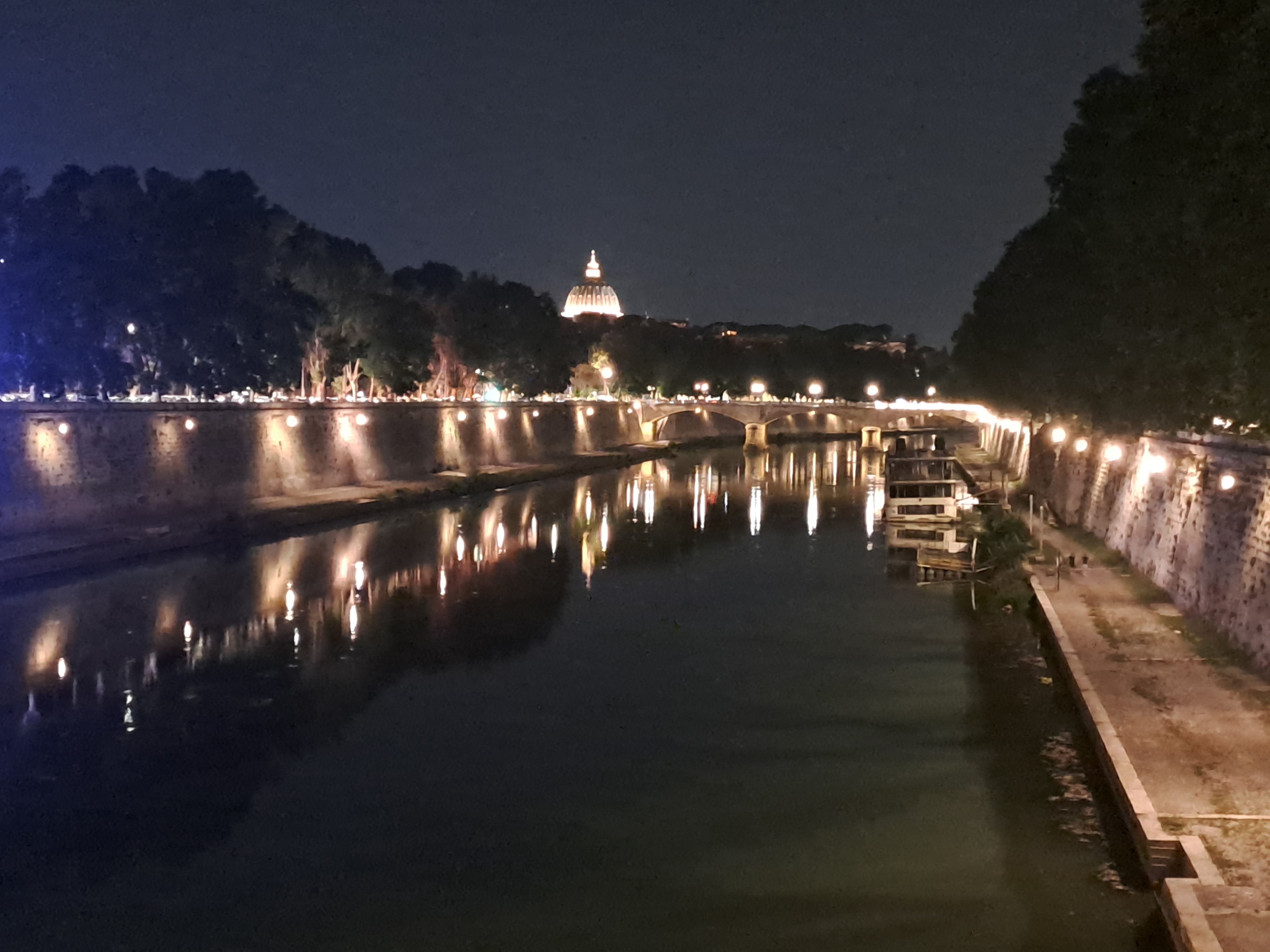
A first city tour around the river Tiber, starting at the hotel Casa Maria Immakulata in Prati
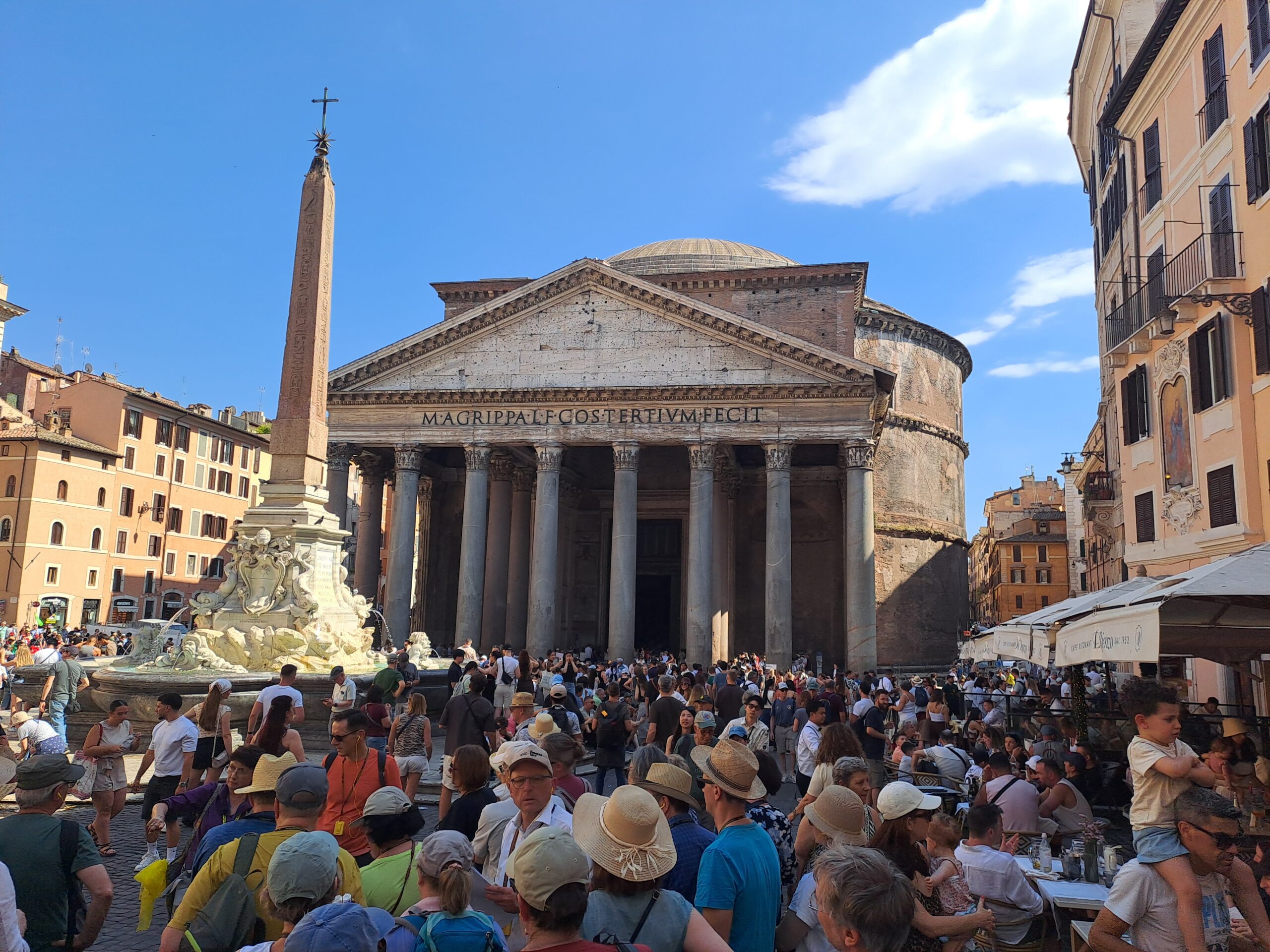
Visiting the pope as highlight of day 2 - Pope Leo is a real pope star
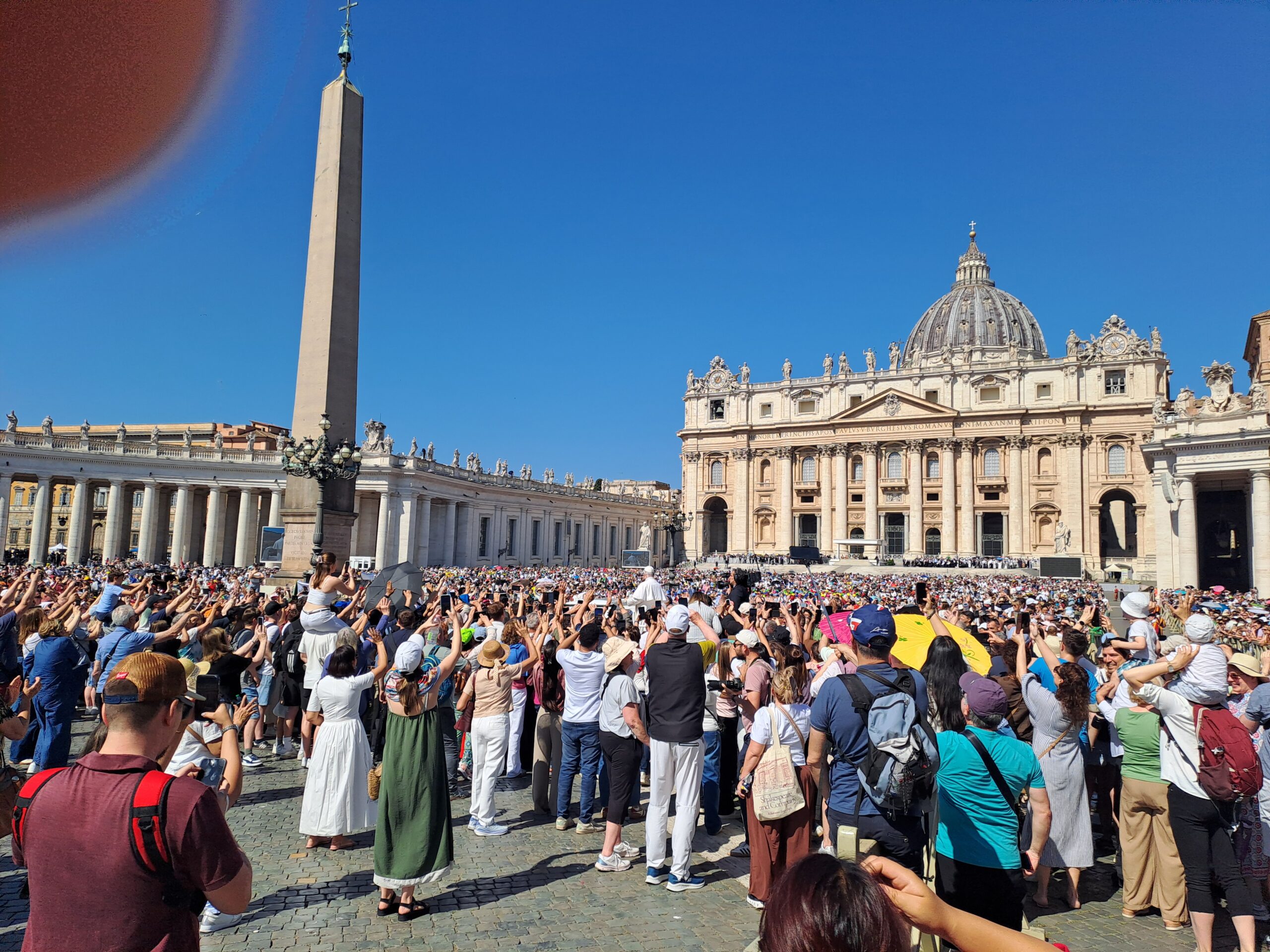
Day 3 was dedicated to the Vatican
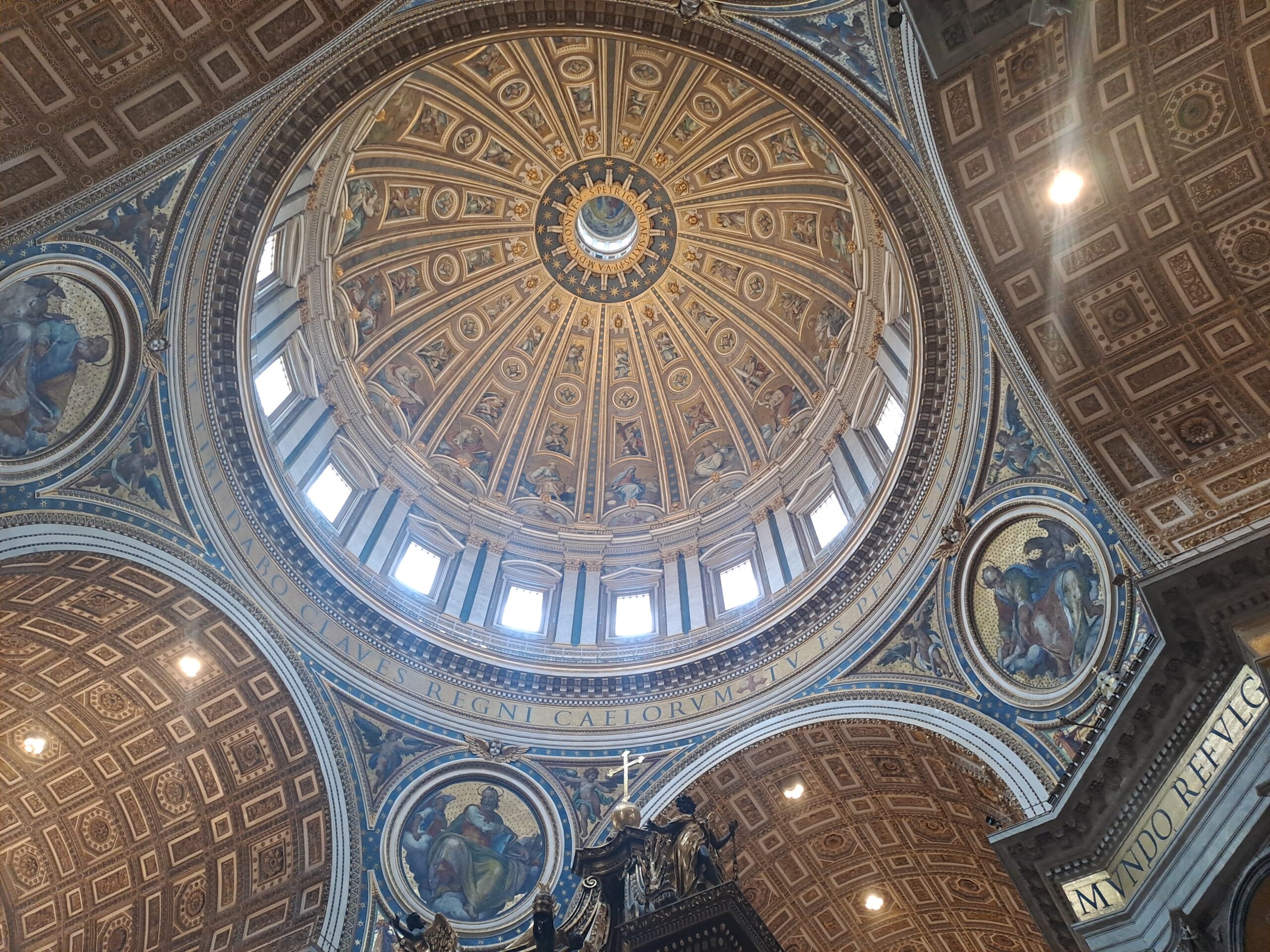
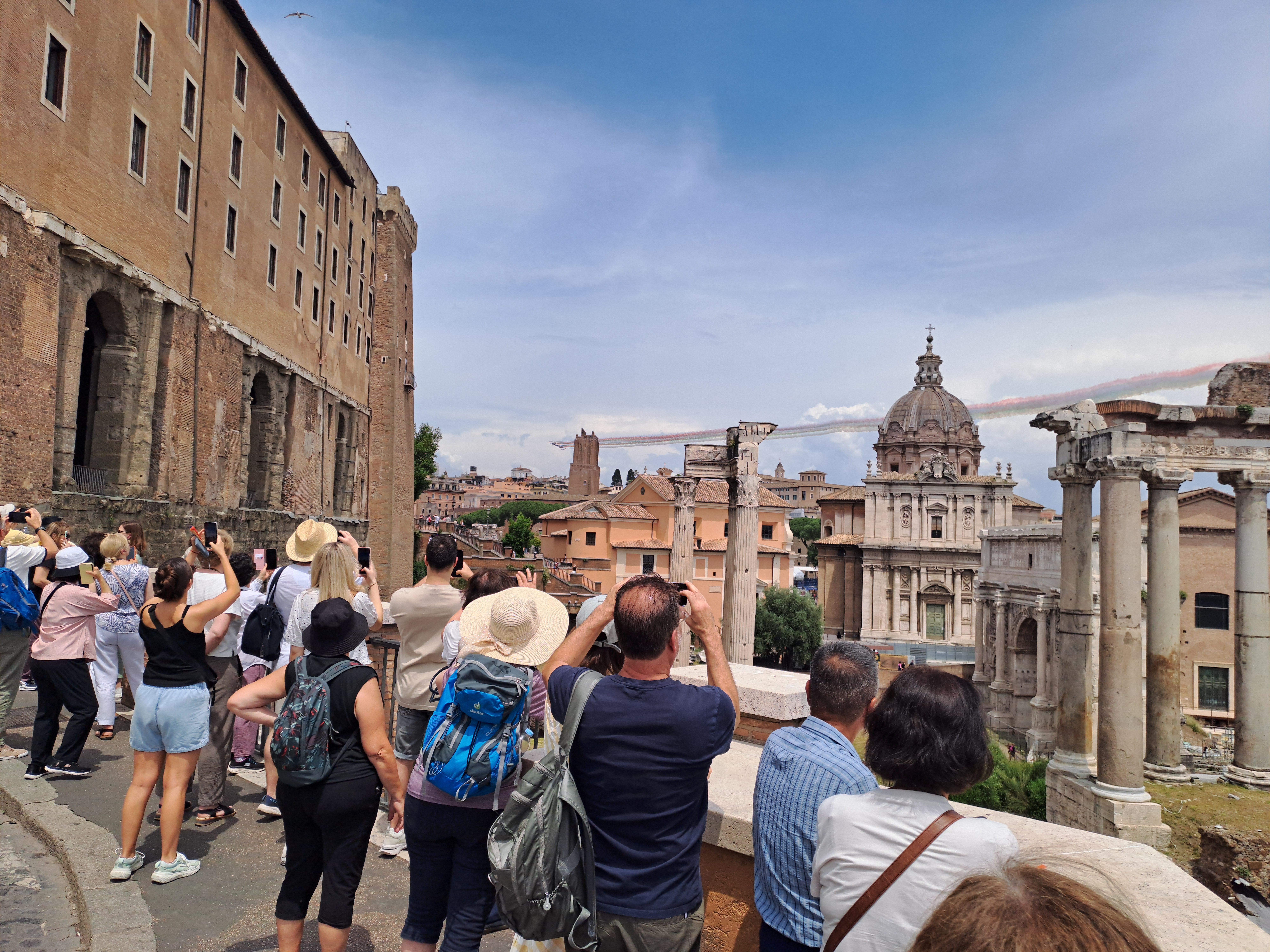
and Santa Maria Maggiore. Day 4 we visit ancient Rome, i. e. Forum Romanum.
Another day brings us back to Vatican gardens and muzeum.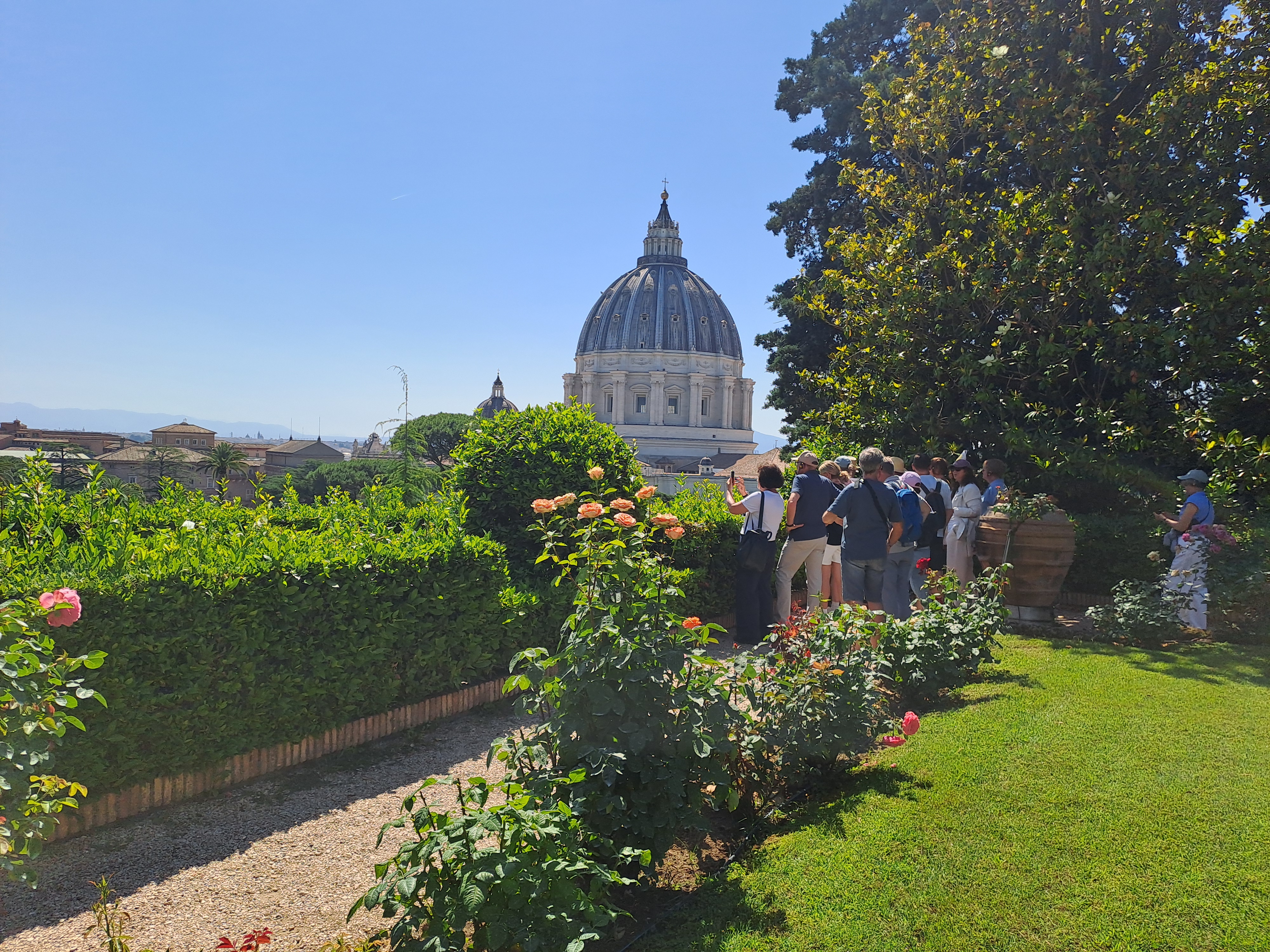
I collected the insights and statements of the participants who were involved in pilgrimage.
1) Pilgrimage can only be done in small groups
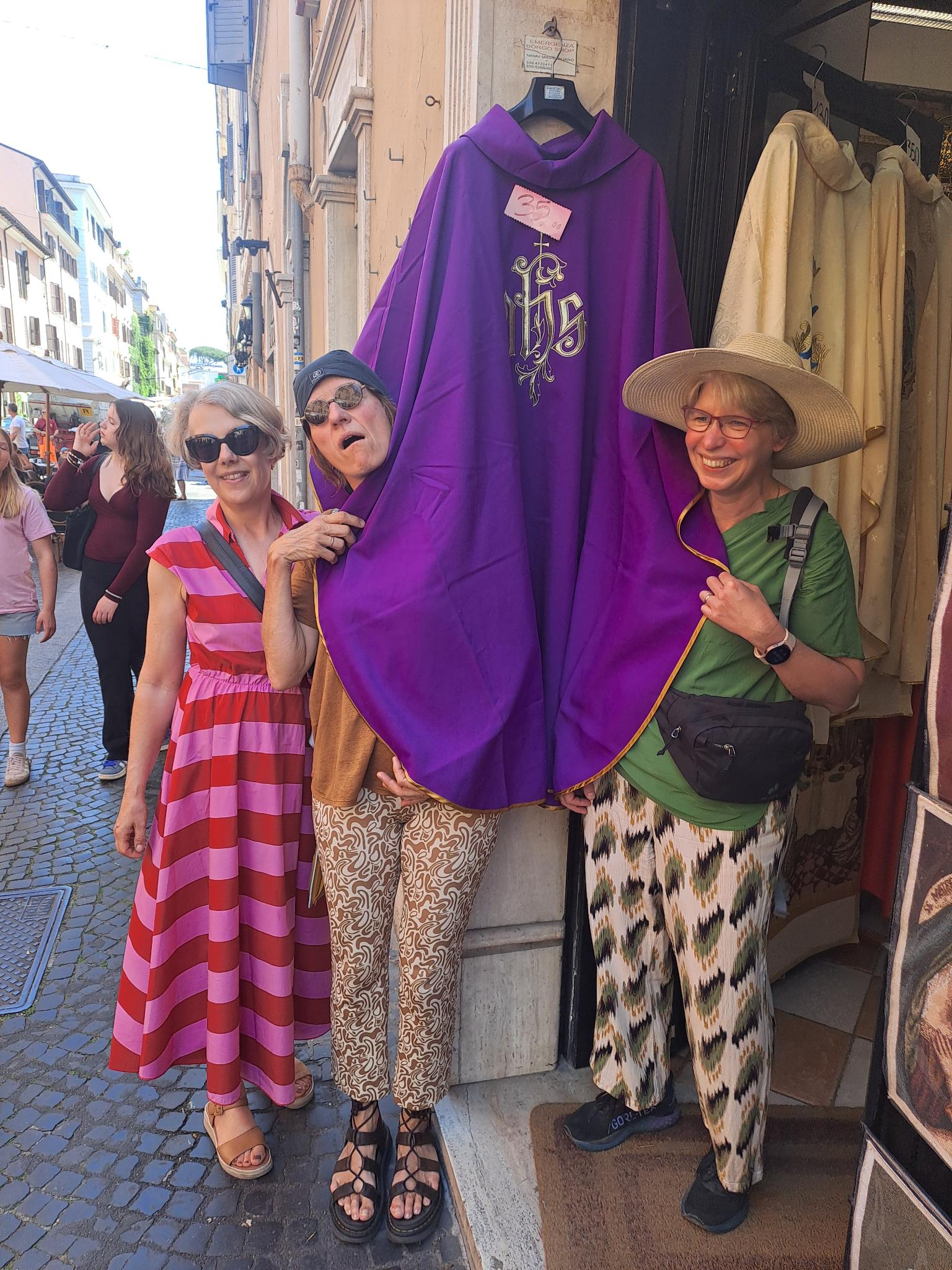
2) Alternatively it can be done also alone.
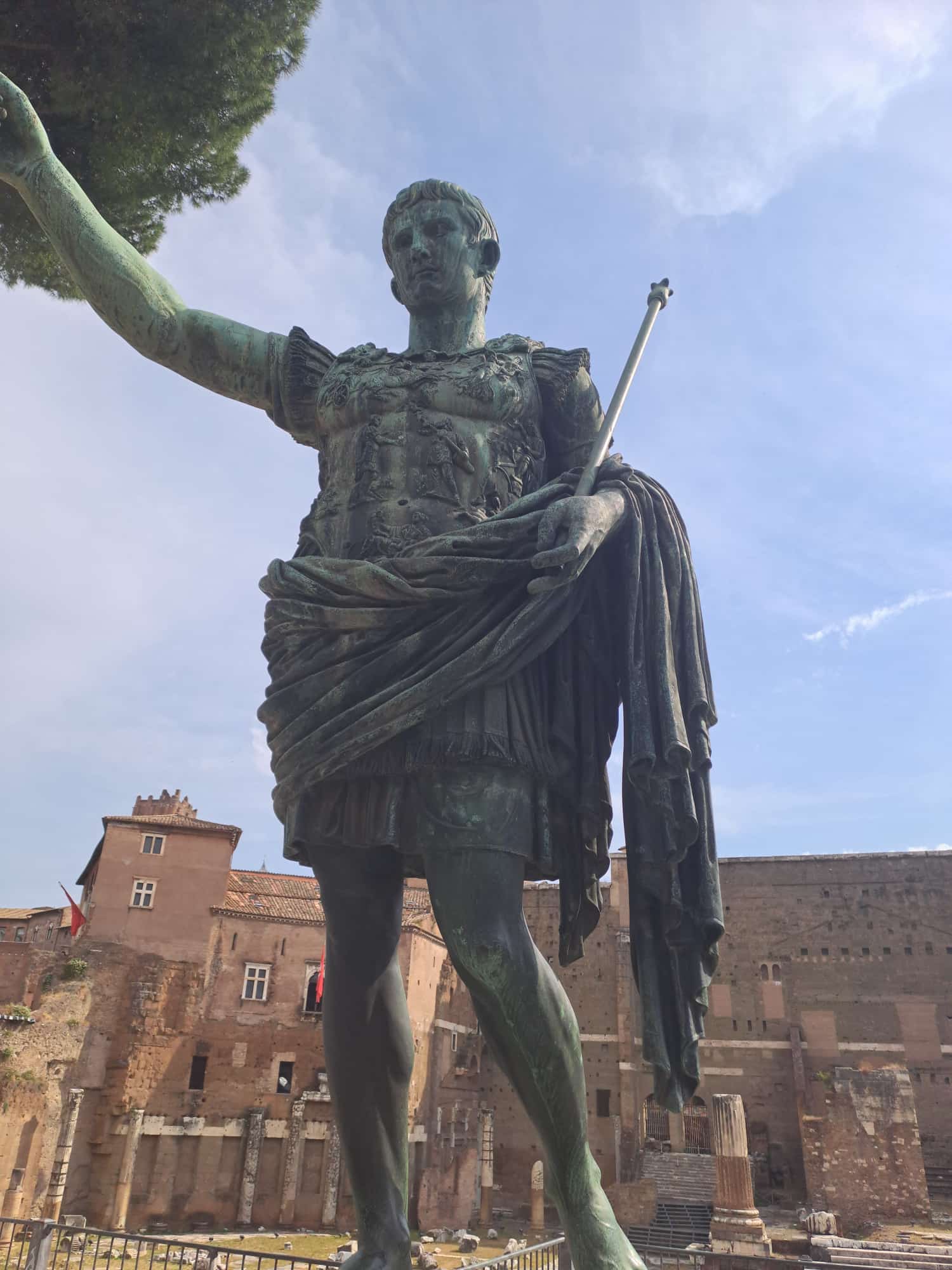
3) A fixed daily schedule helps for pilgirmage.
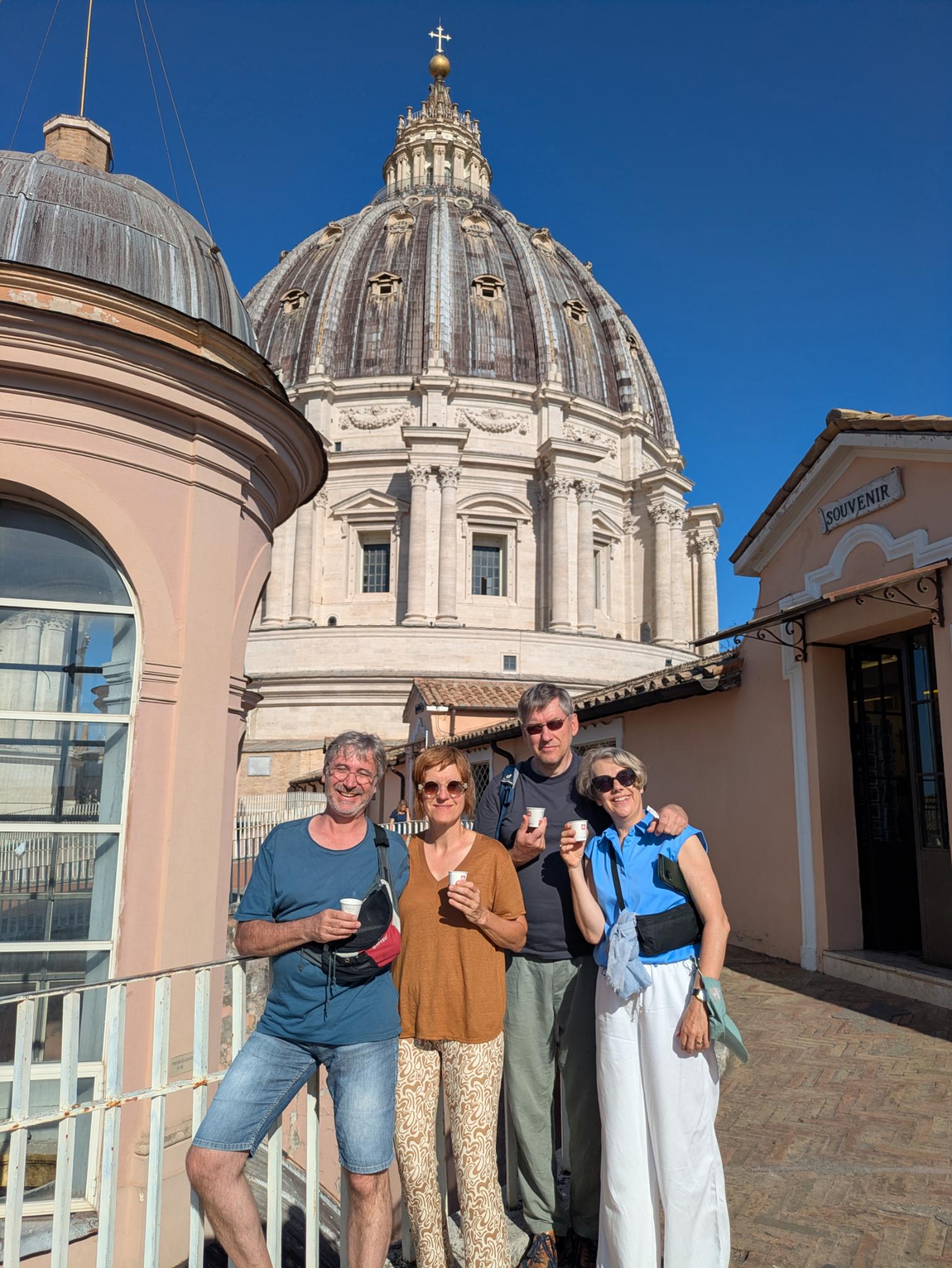
4) Pilgrim rule; wine not before evening, but always at the same time in the monastery.

5) Reflection is a part of pilgrimage.
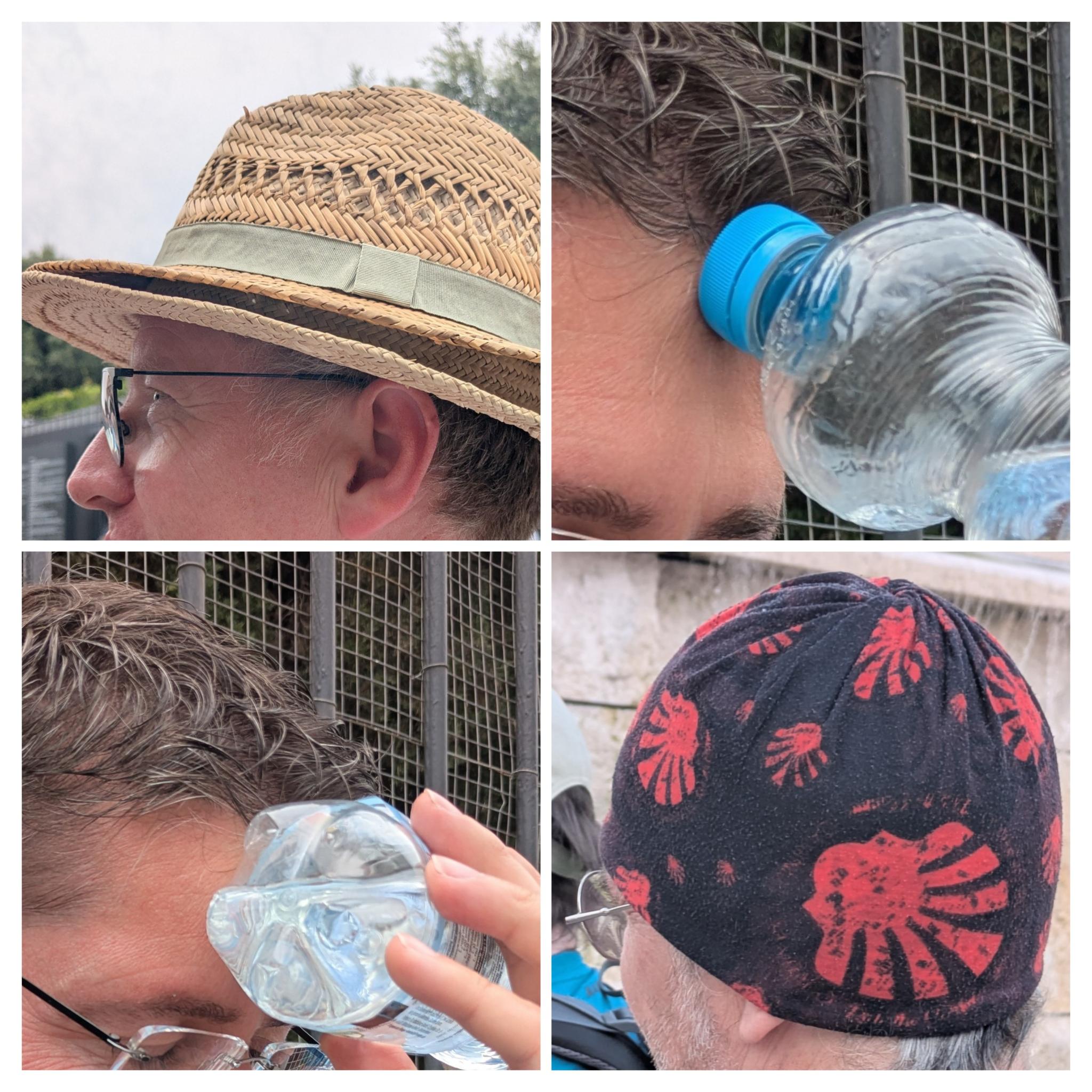
6) Keep the 5 katholic rules: pray, confess,penance, beg, beer
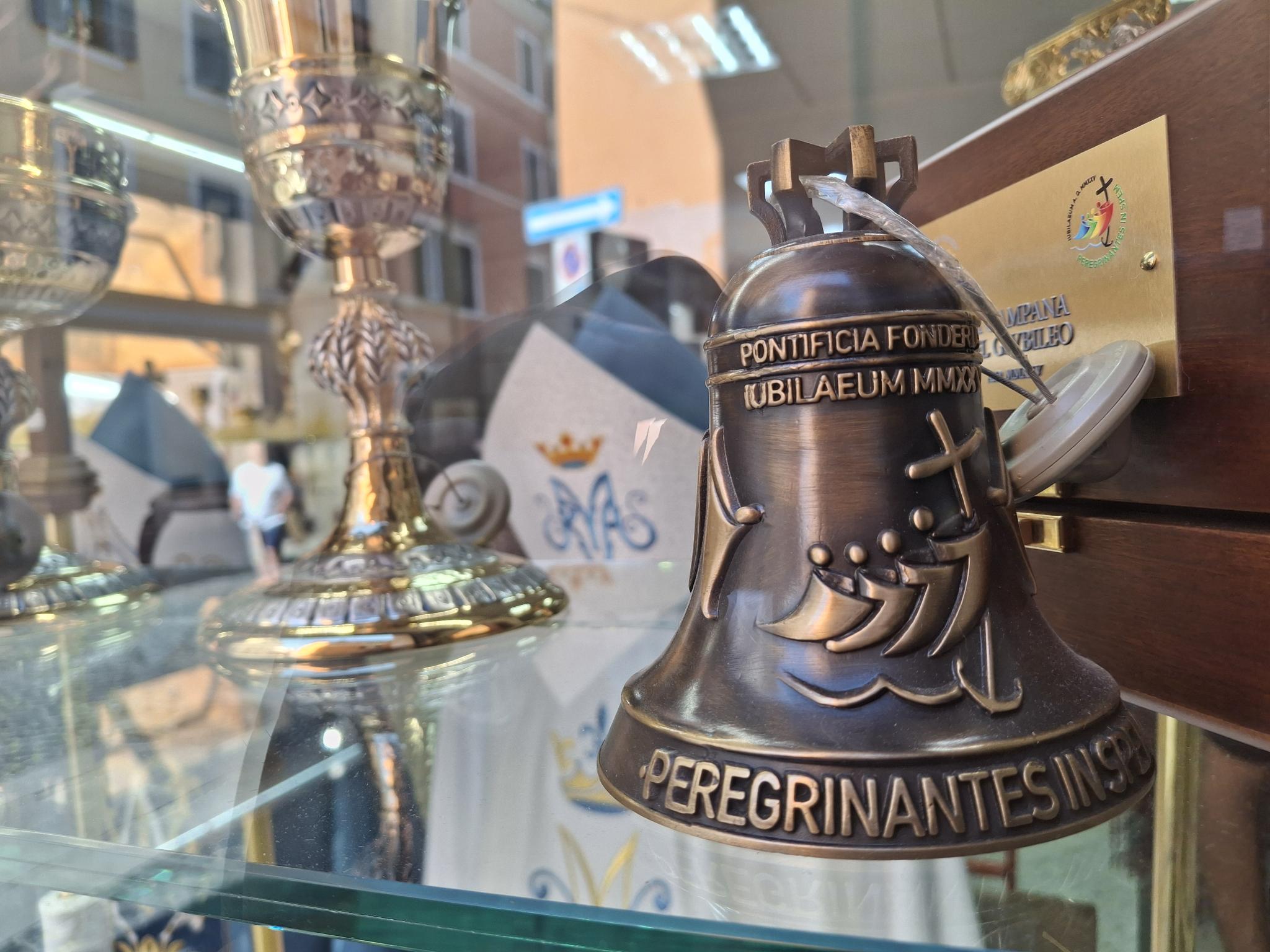
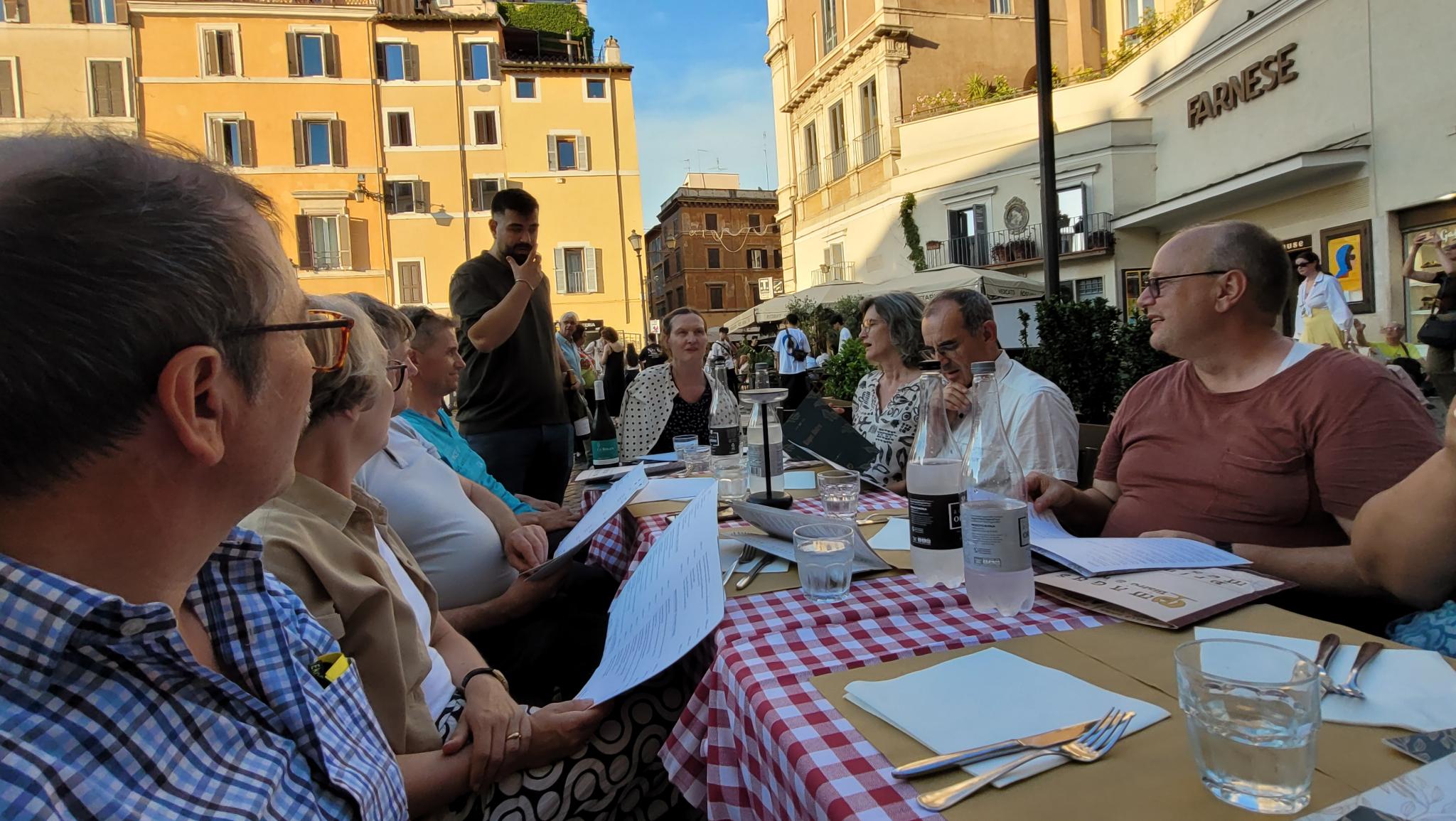
7) Pilgrimage means seeking, sometimes its also looking for food on the plate.
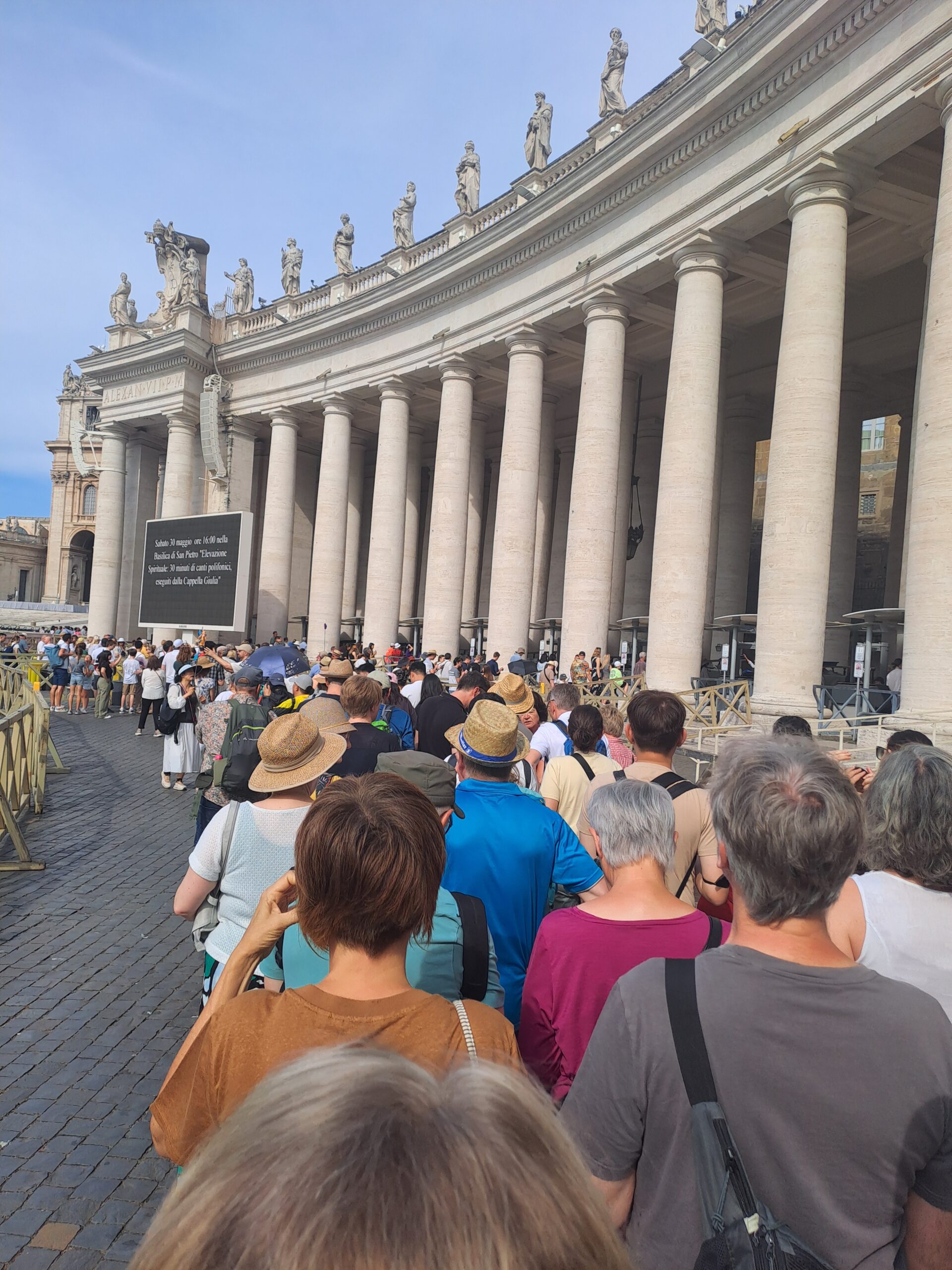
8) pilgrimage means waiting for continuation.
9) Pilgrimage means pain in feet and heat, as a challenge for penance
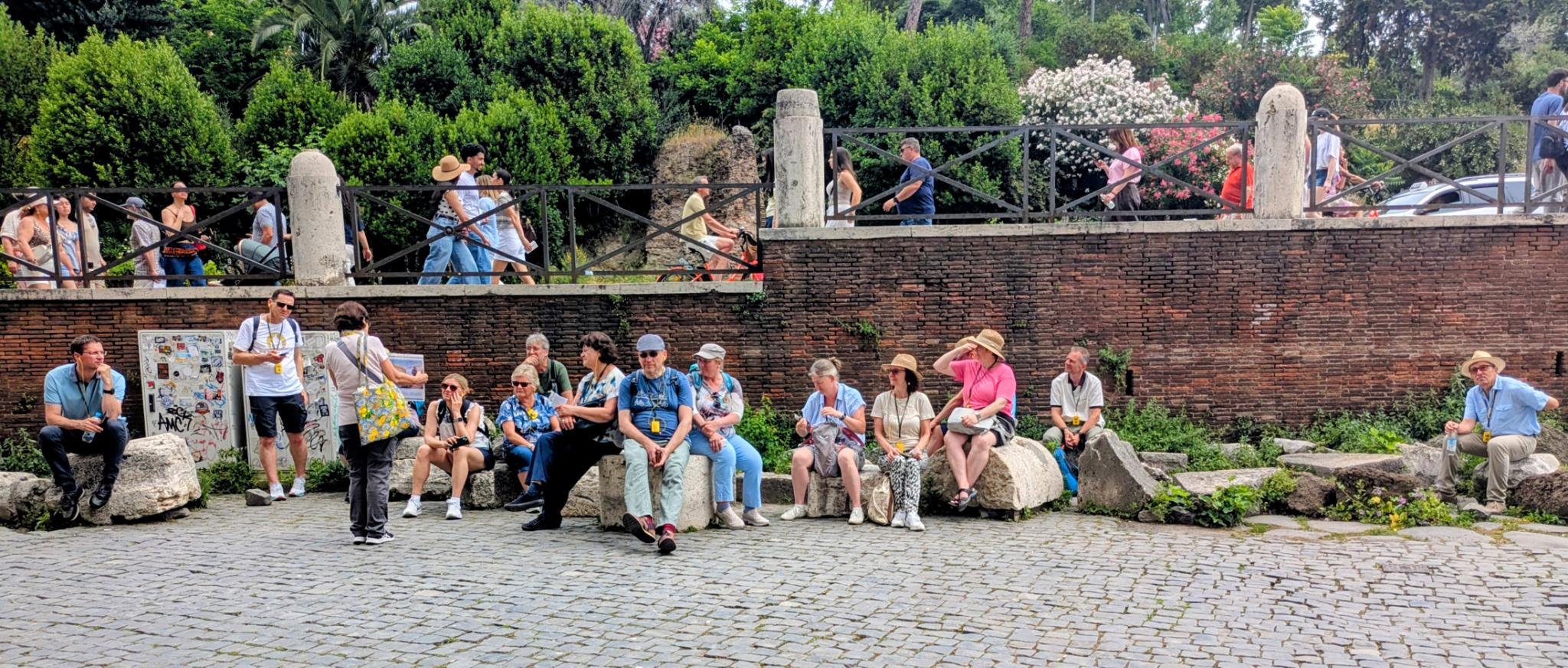
10) Pilgrimage means coming to rest from everyday's life.
11) Pilgrimage means finding the roots of the church without obligation and responsibility.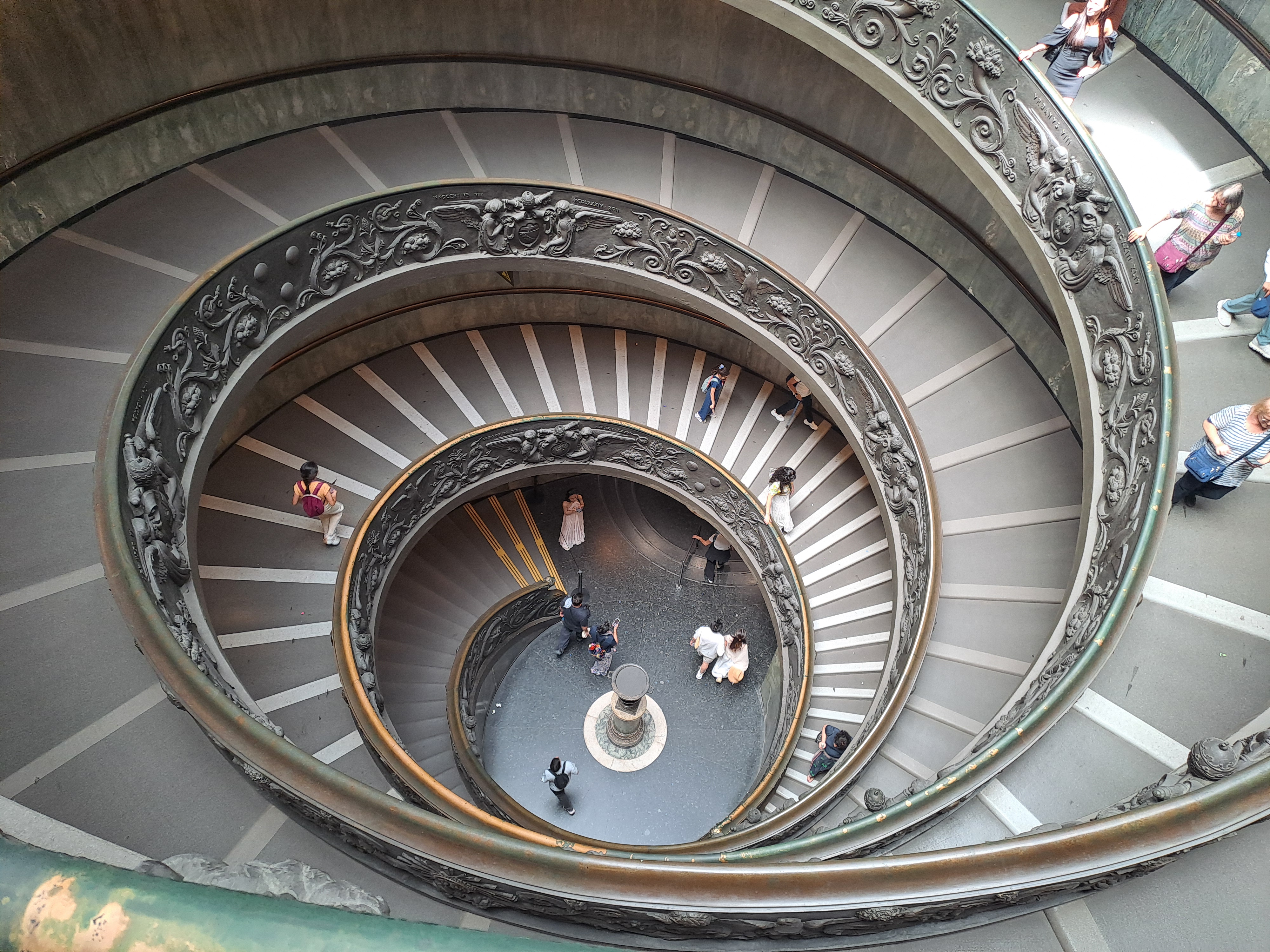
12) Pilgrimage is quality time for oneself.
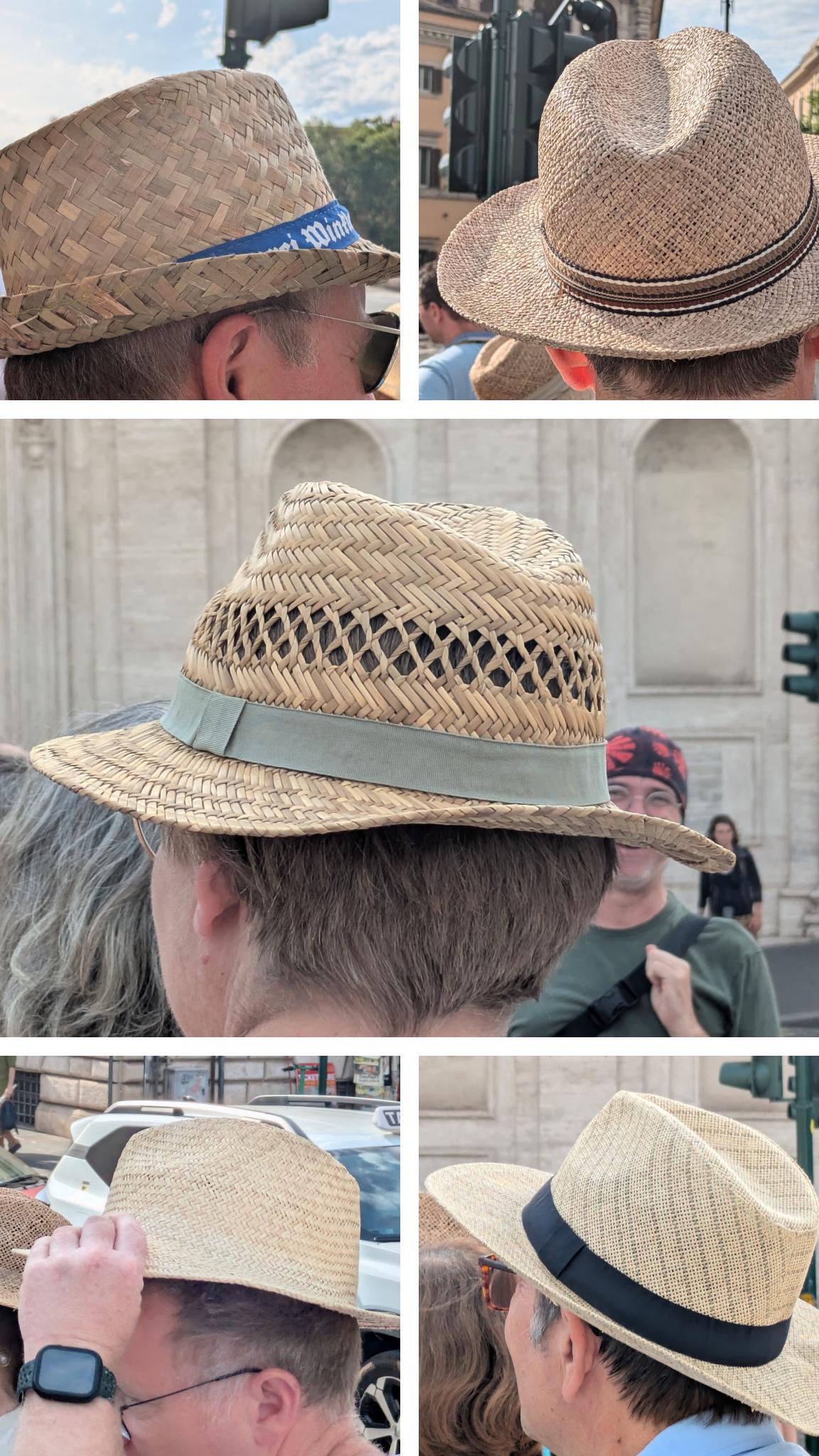
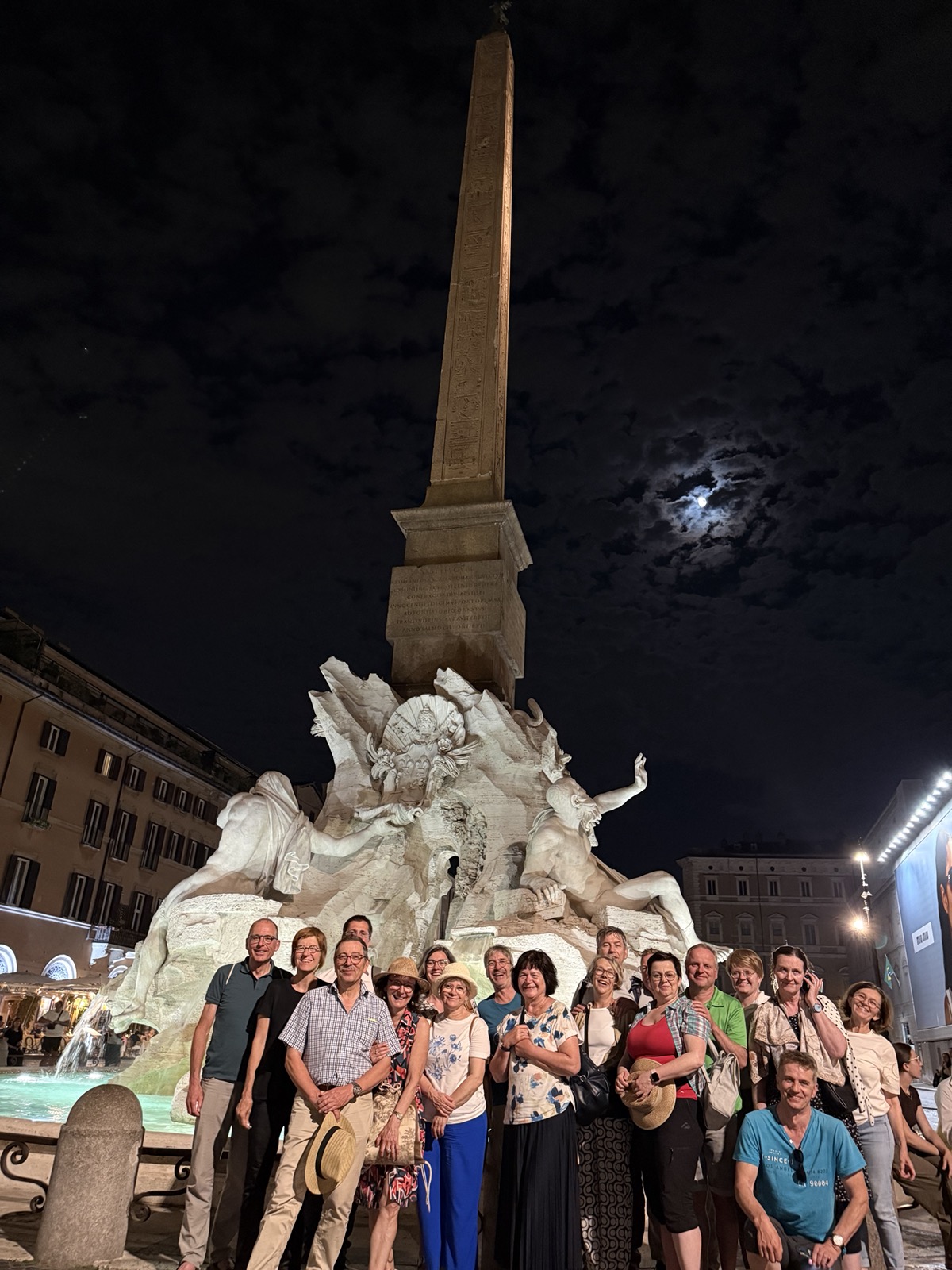
13) Pilgrimage means focusing mentally and comming together on locations.
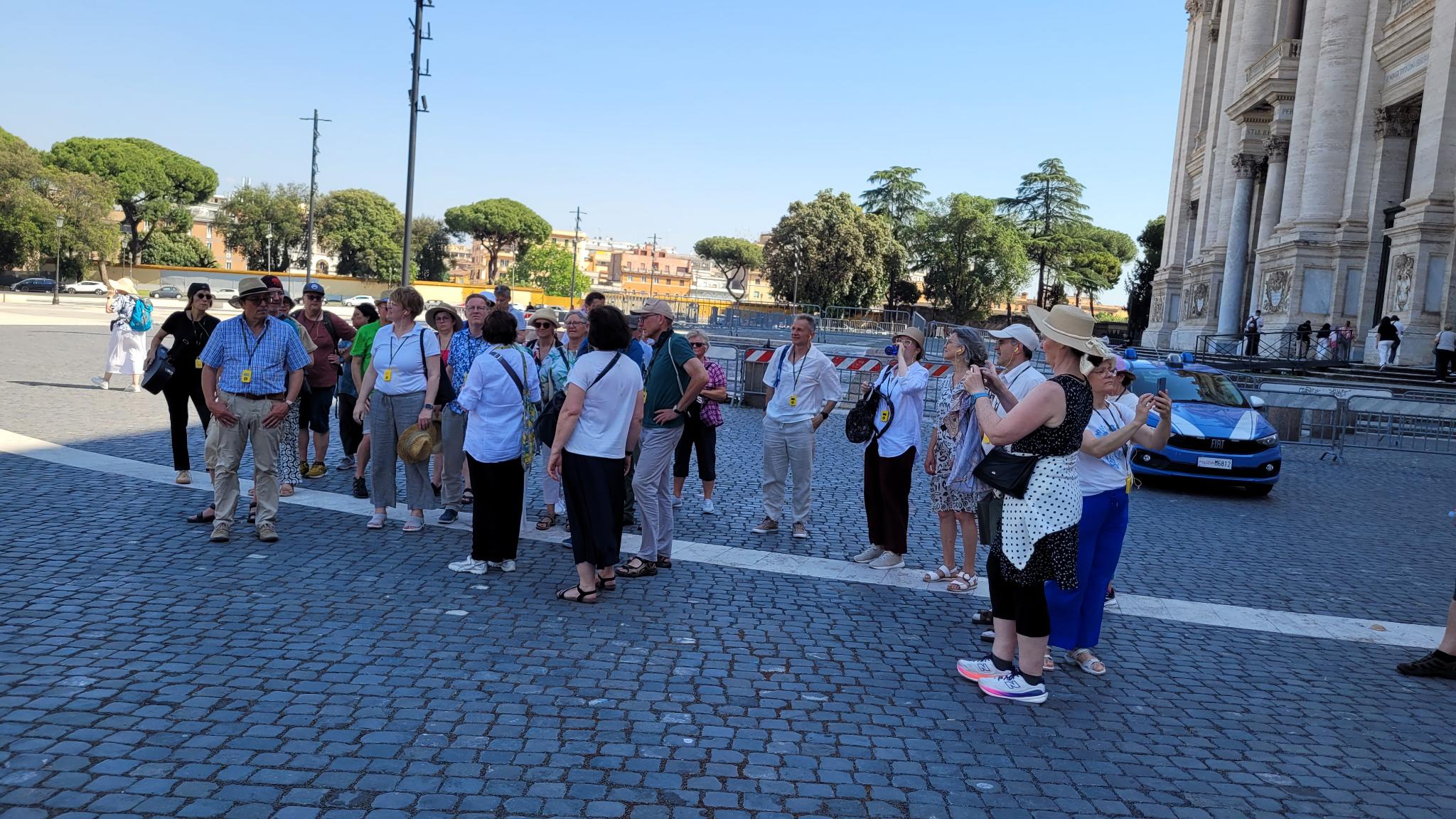
14) Pilgrimage means looking for one's place.
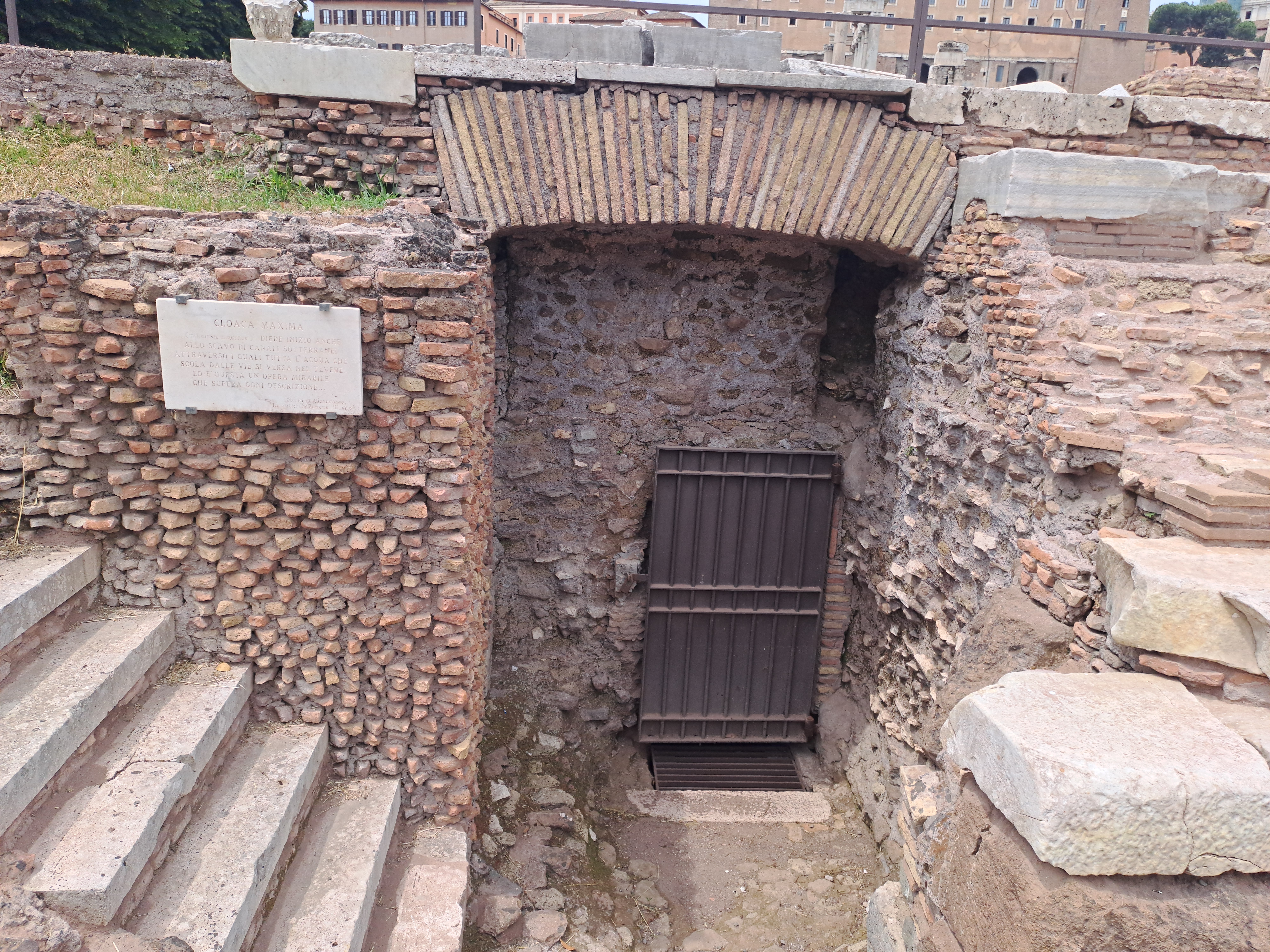
16) Pilgrimage enables touristic infrastructure.
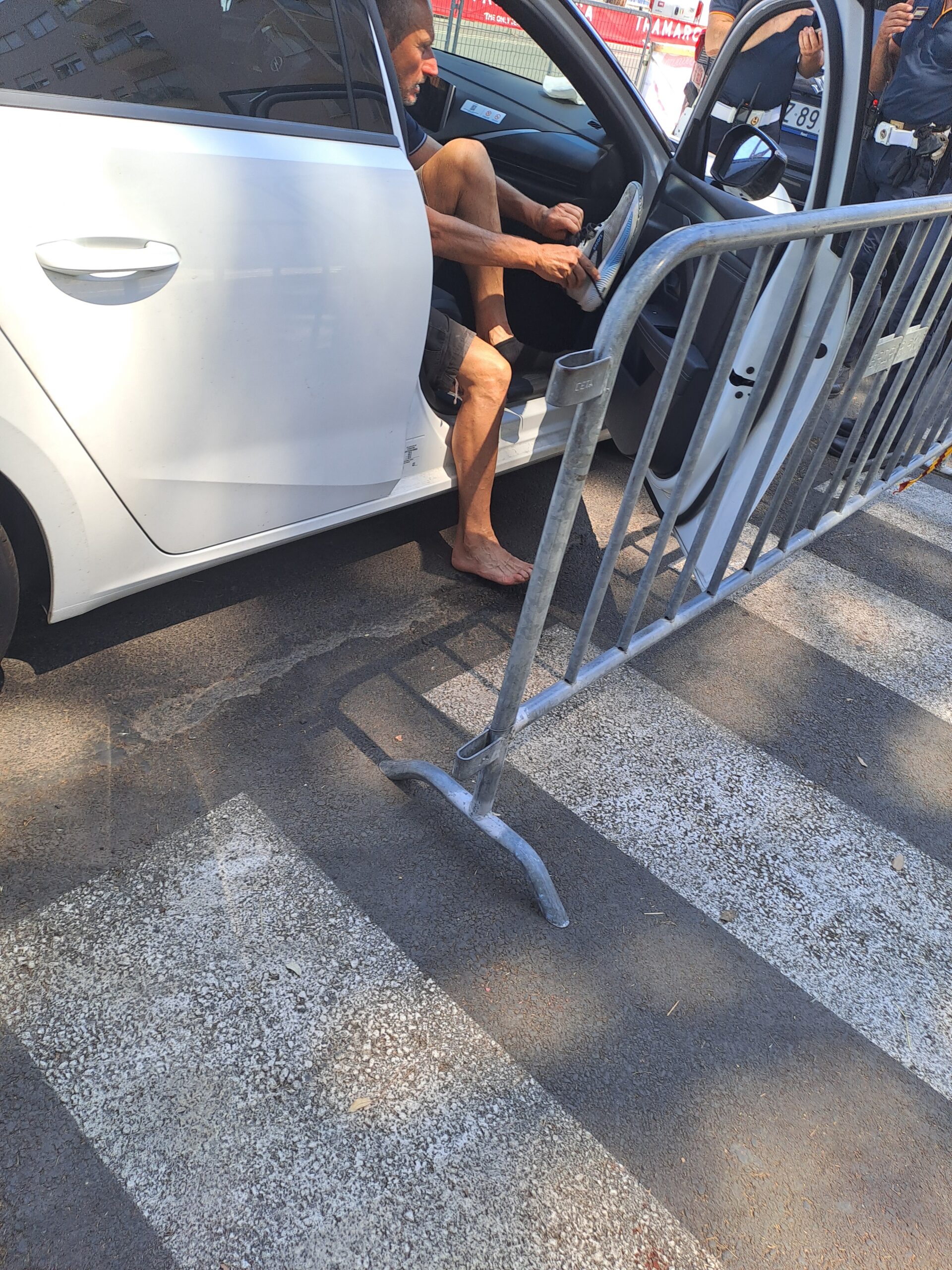
16) Pilgremage demands proper crossing of roads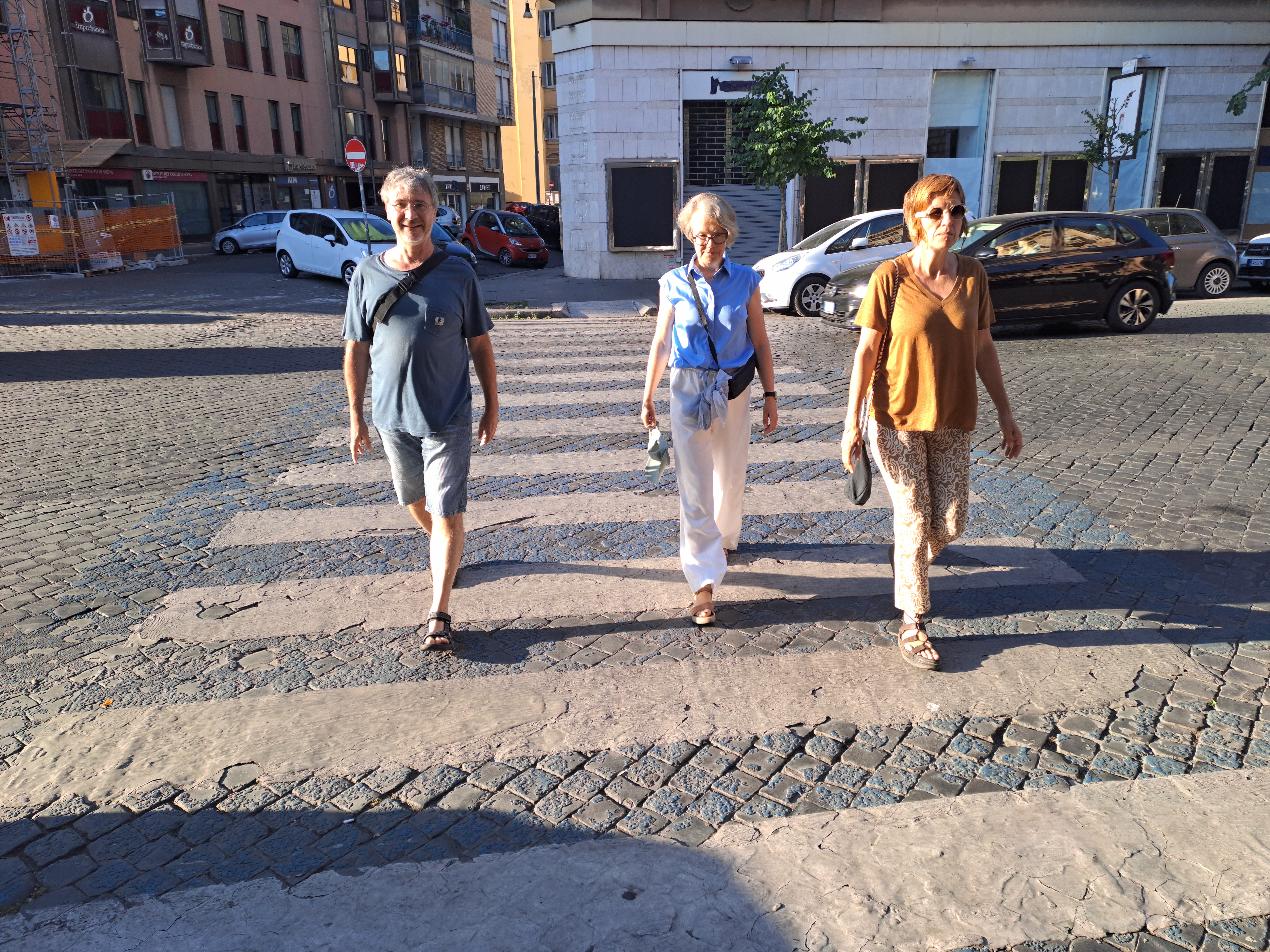
Pilgrimage can be a rather slippery business: you need to put on sunscreen because of the sun, you have to be careful not to get swindled, and you should watch out that you do not collapse from exhaustion. It may also help if you grease a few palms among the security staff. ( play on word for german "schmieren" )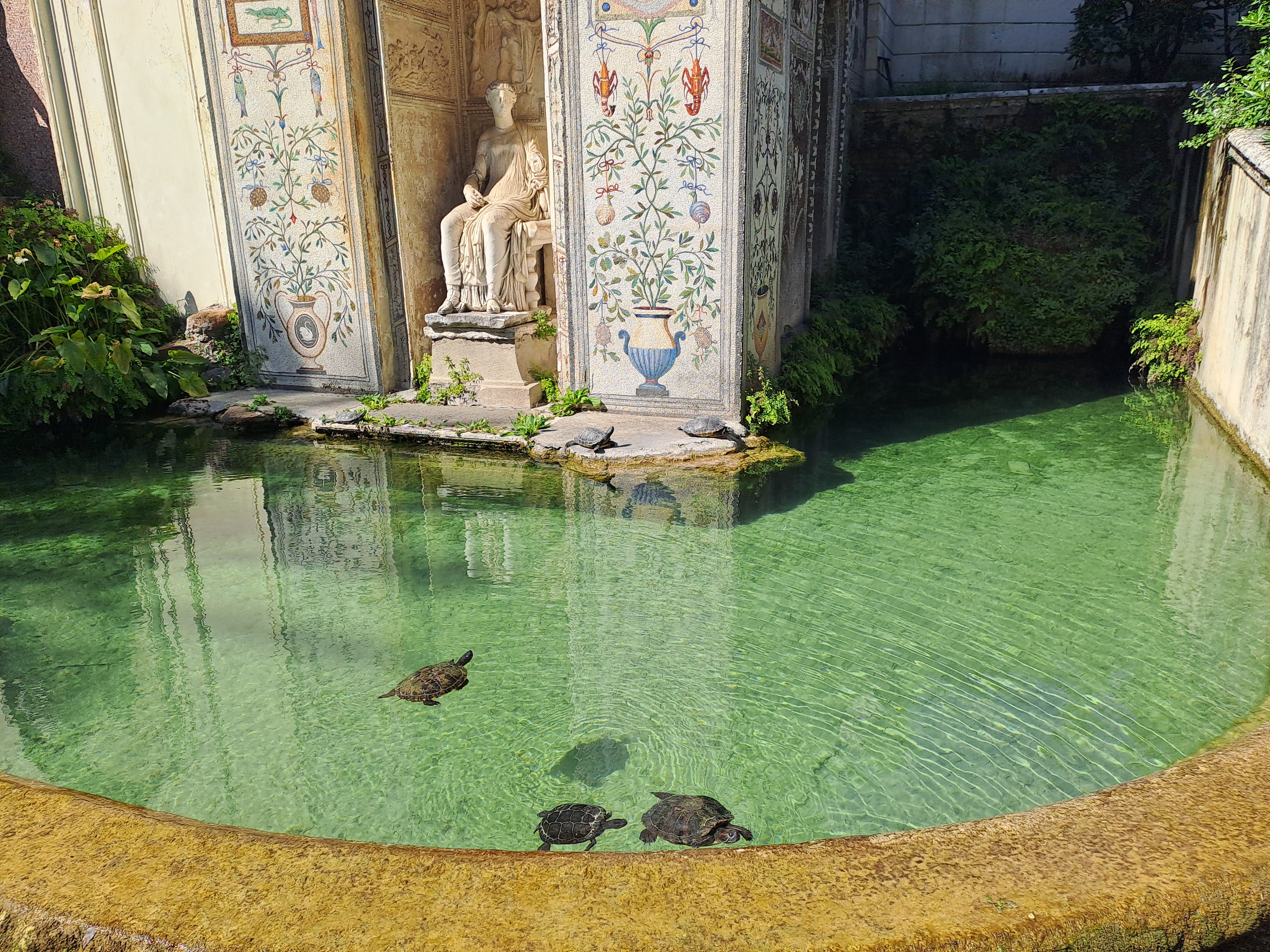
18) For Anton pilgirmage is "being on the way" for clarity to detect the spiritual way. This travel is not a pilgrimage in the original way.
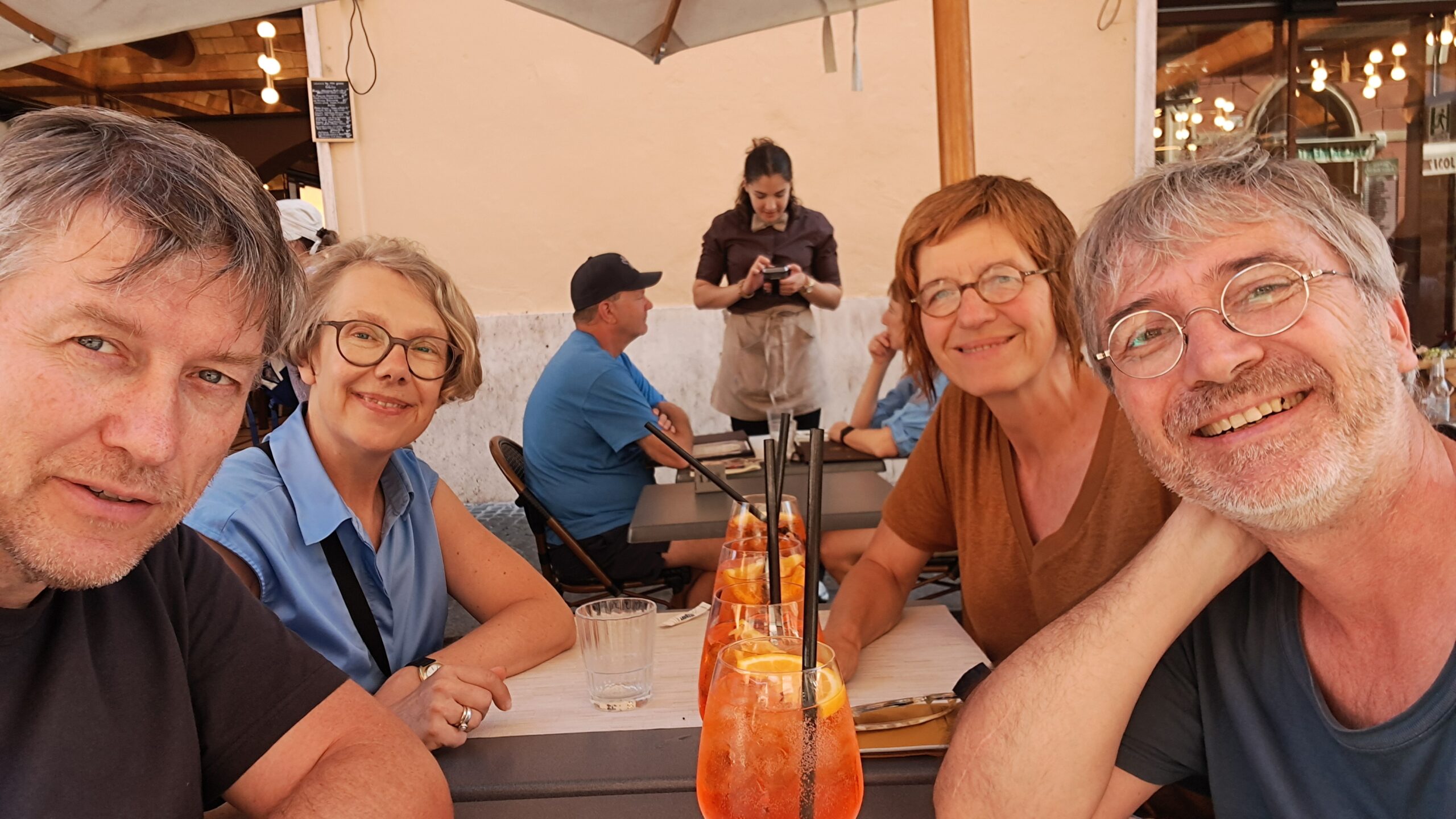
19) Pilgrimage means patience: when you are waiting at the fountain to fill your water bottle, you see how time is running.
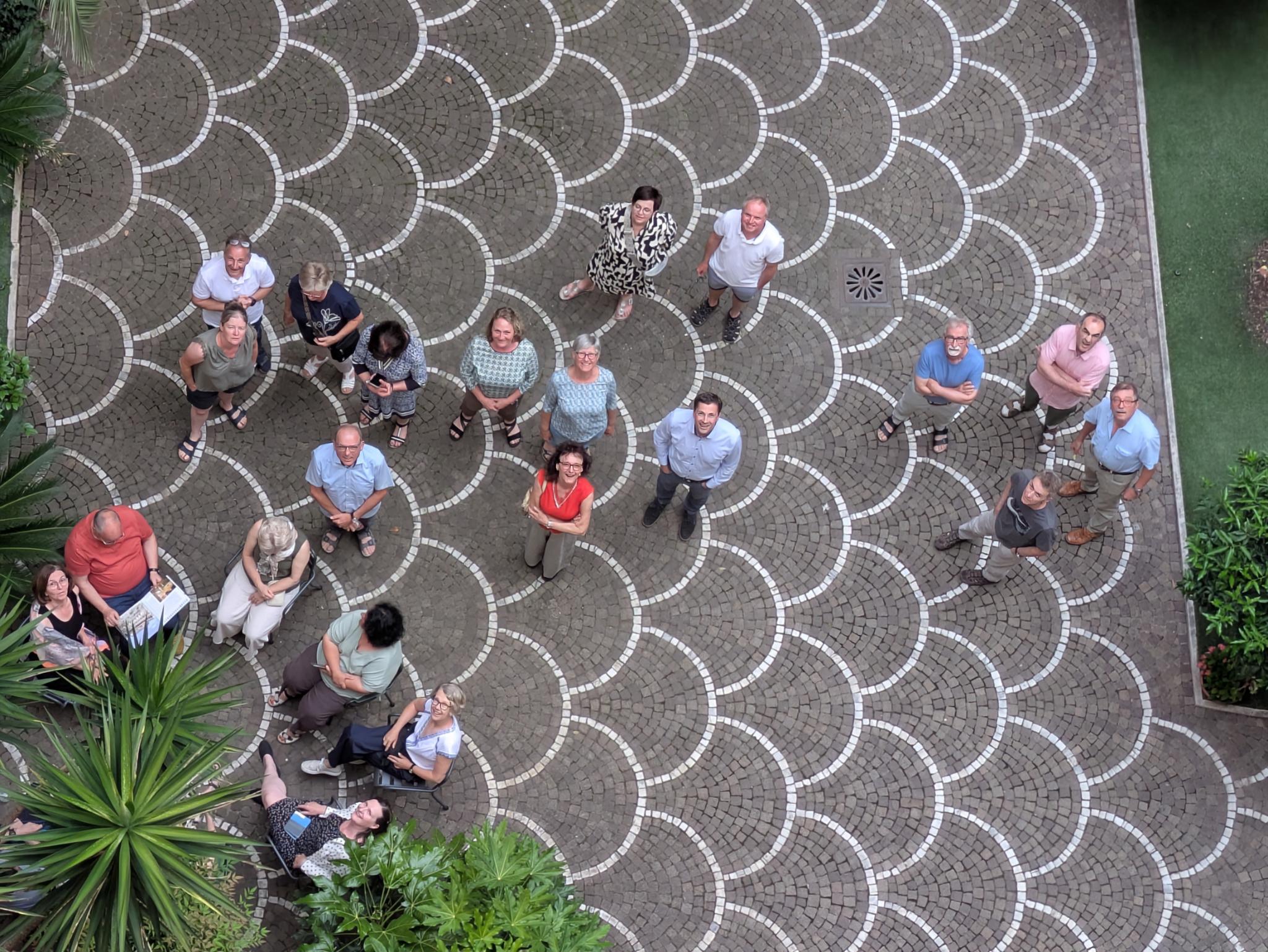
20) Pilgrimage means to bring back home material, which was in contact with relics
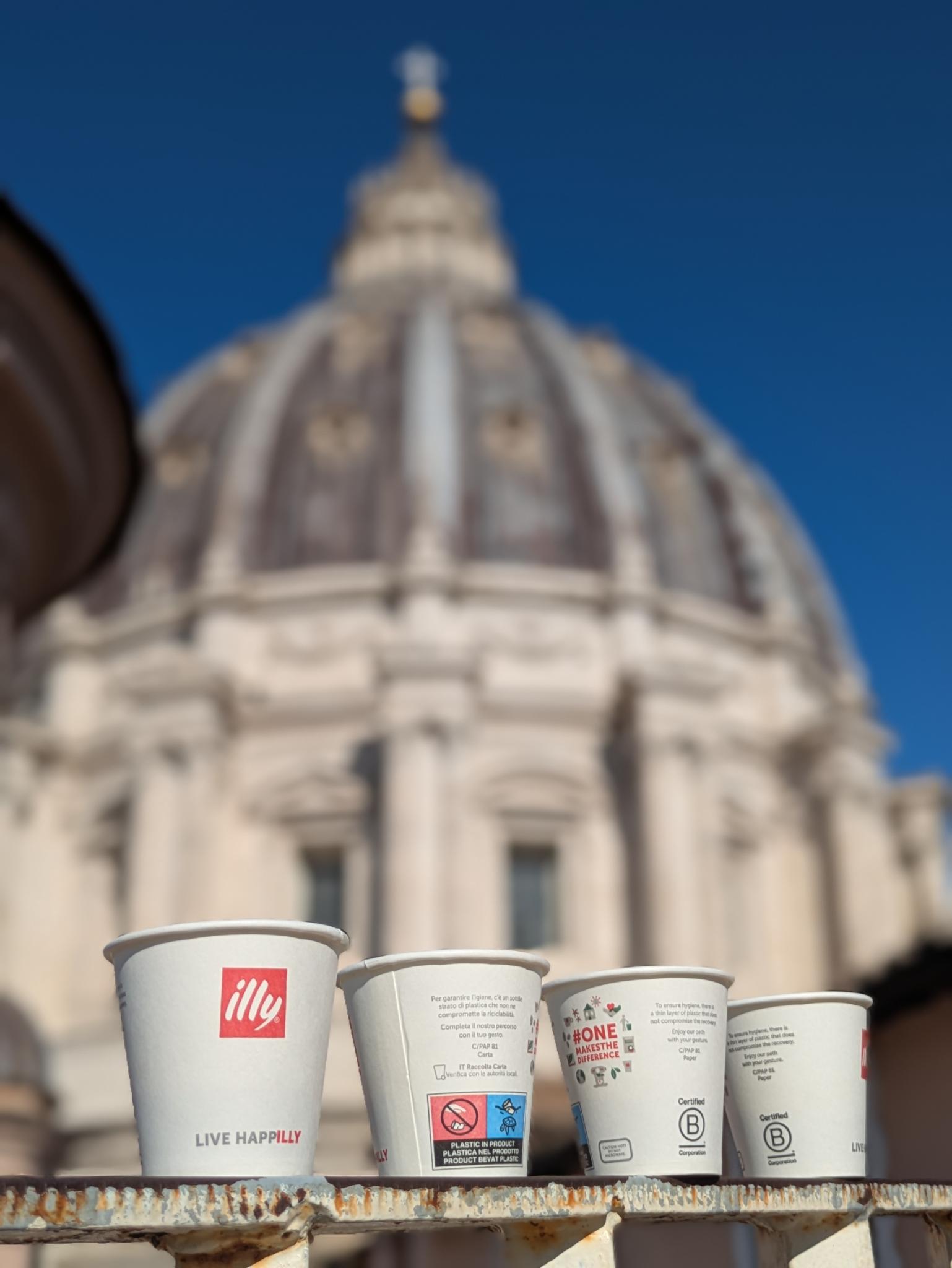
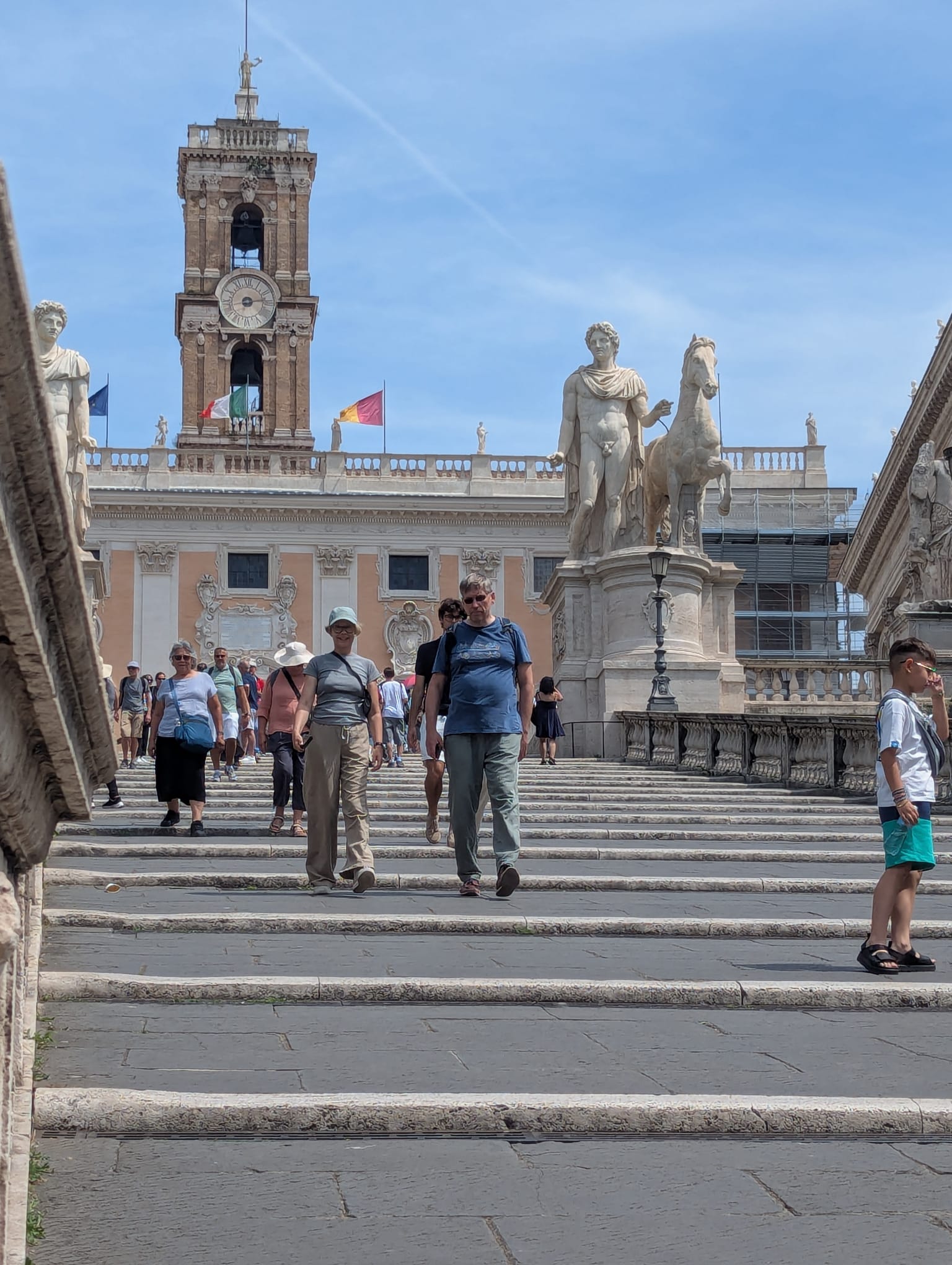
21) Pilgrimage means keeping moving.
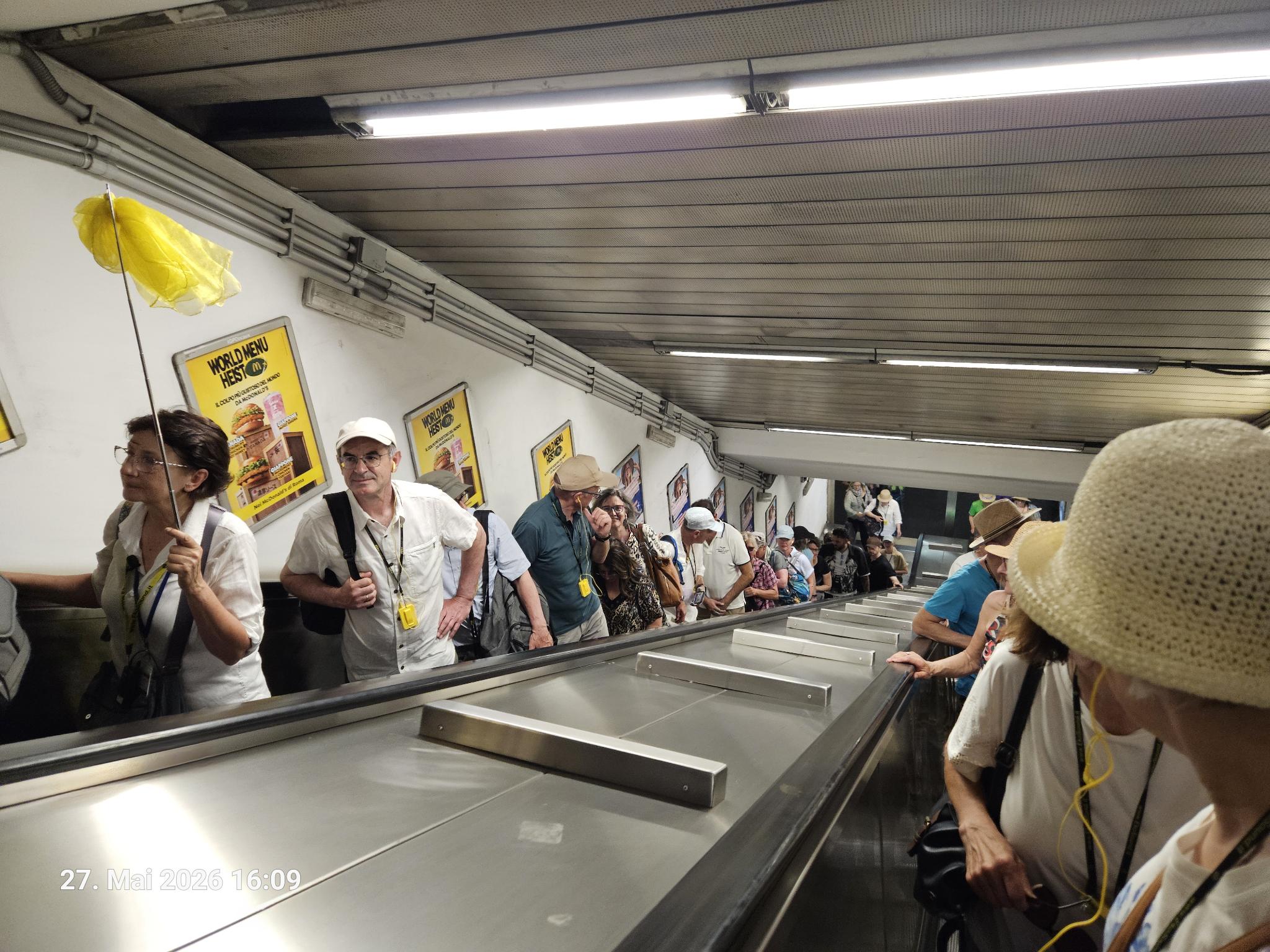
22) Live itself means going on according to Robert.
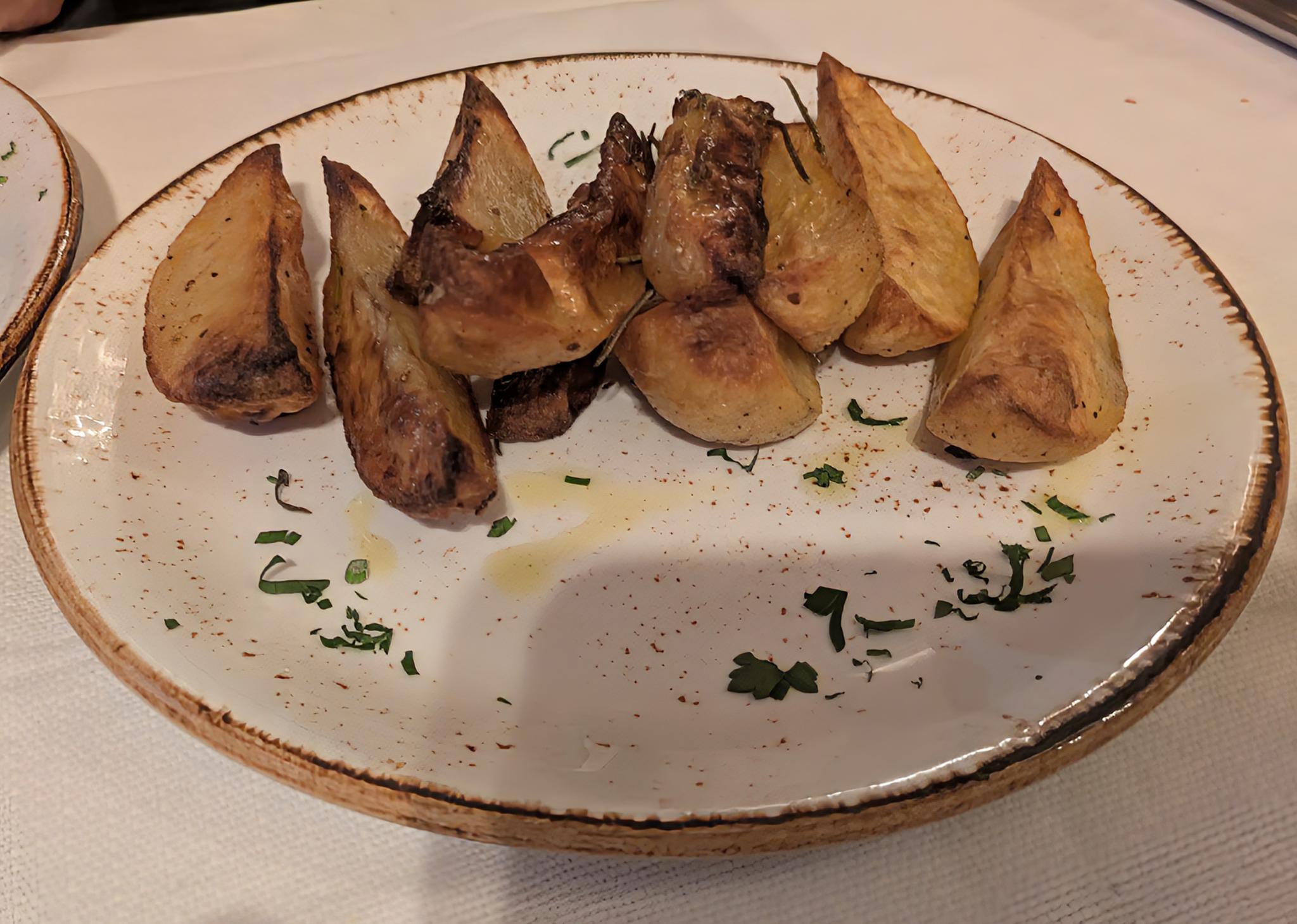
23) Pilgrimage also involves a measure of self-denial. In our group, potatoes appeared to be strictly off the menu.
The conclusion of all wisdom after a happy evening in Trastevere bings:
Pilgrimage means being happy!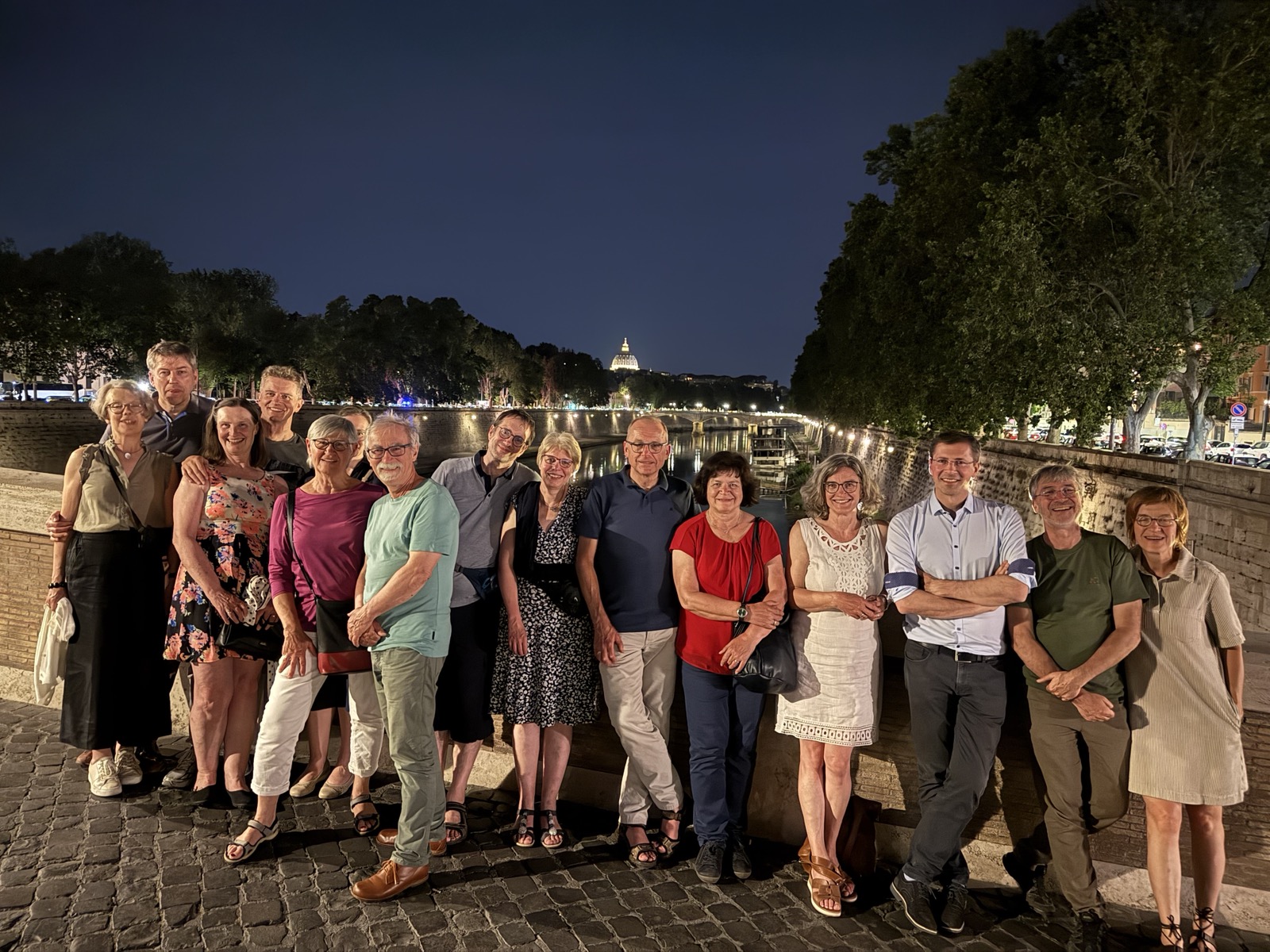
NB: In German usage, Wallfahrt and Pilgerreise are not synonymous, even though both terms are commonly rendered in English as pilgrimage. A Wallfahrt is more narrowly associated with structured religious devotion and cultic practice centred on a specific sacred site, whereas Pilgerreise tends to denote a broader existential or spiritual orientation, often understood as a form of lived religiosity or an attitude towards life and journeying.
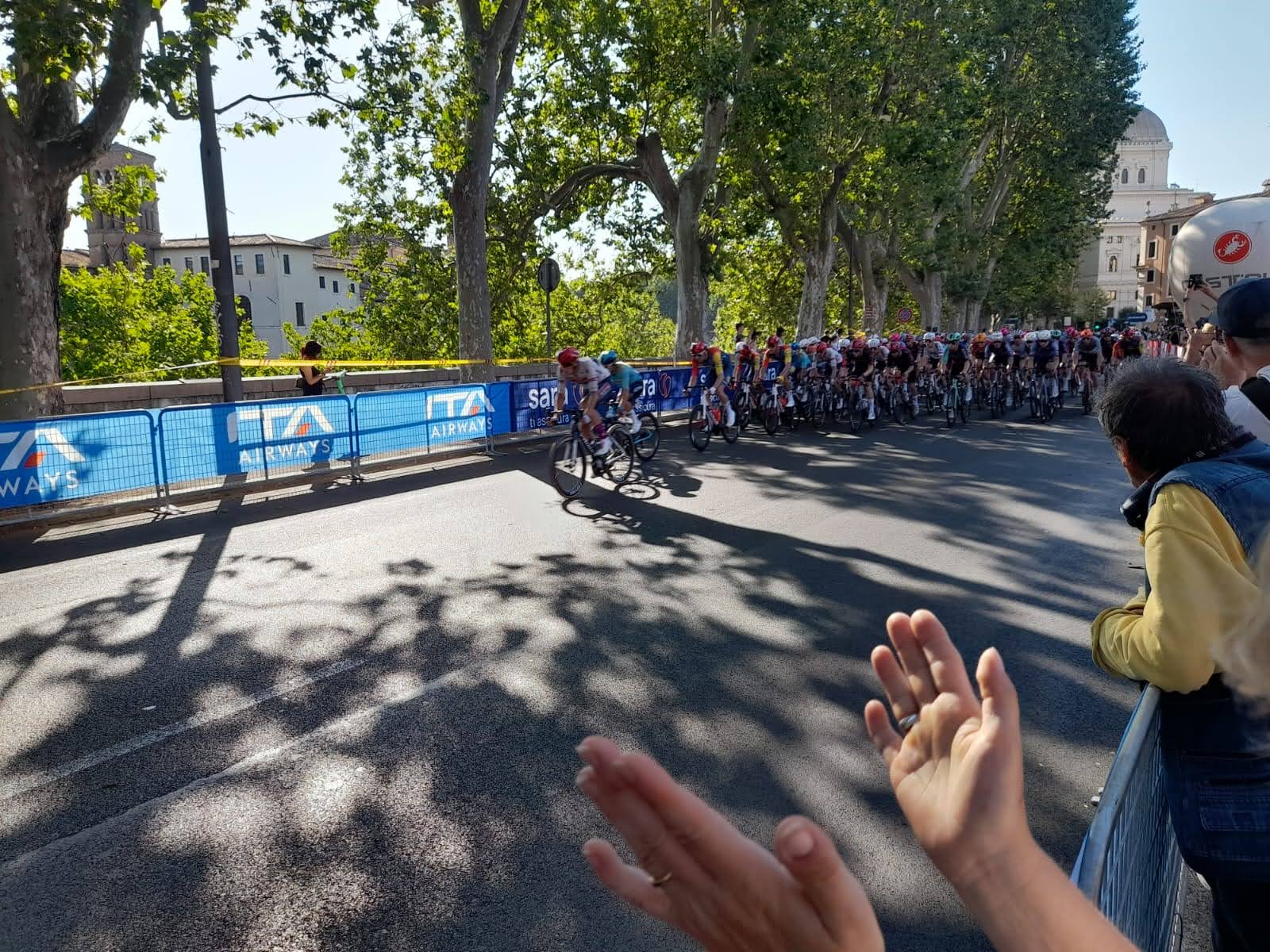
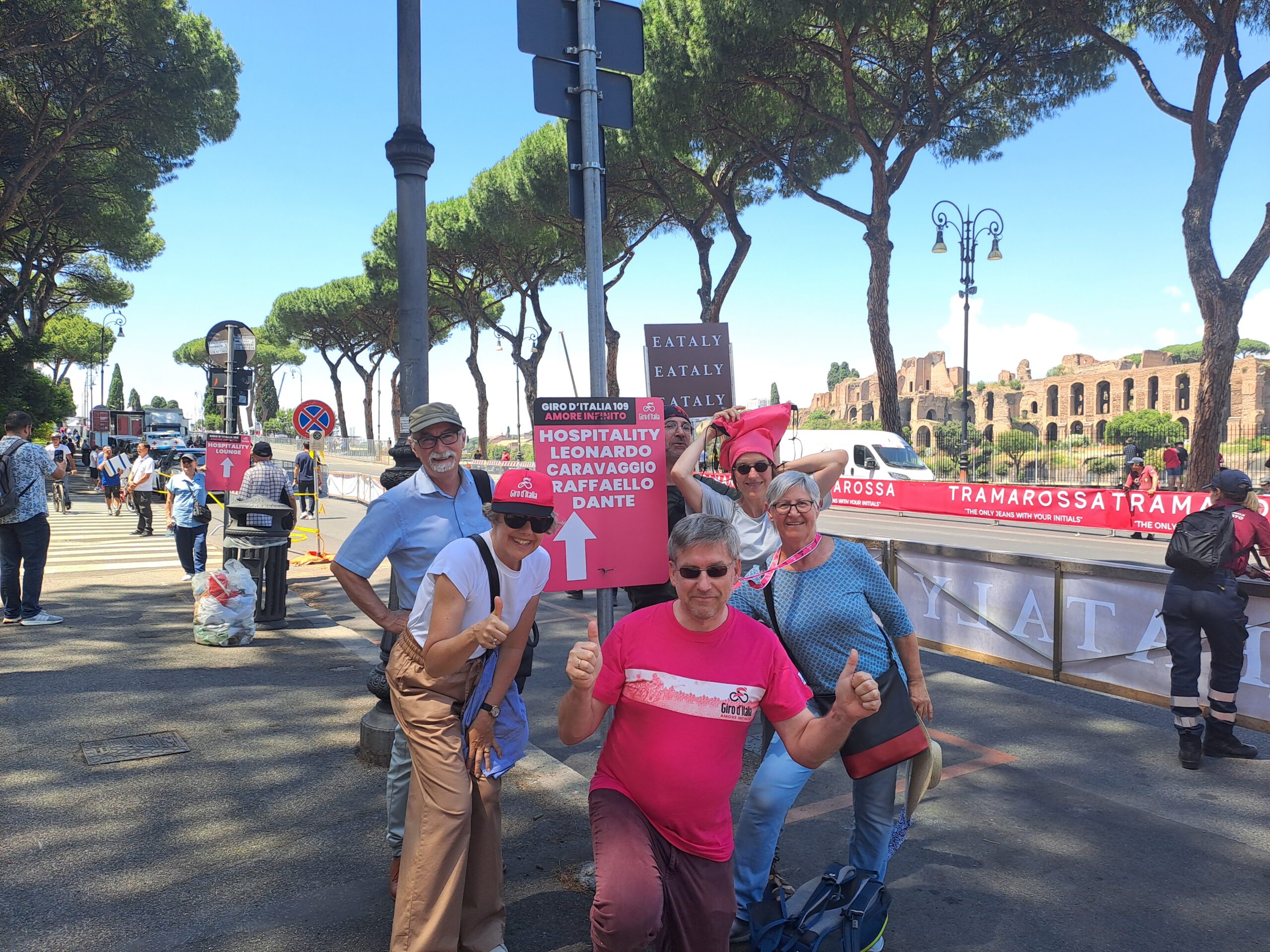
Nachtrag: Bei der Ankunft in Rom nach dem Besichtigungsprogramm sind wir in den Giro d’Italia geraten: Rennradpilgern für Kurzentschlossene. Ich musste natürlich die Fanausstattung erstehen für die Cheergroup zu 20 €. Schließlich hat Vinegard den Giro gewonnen.
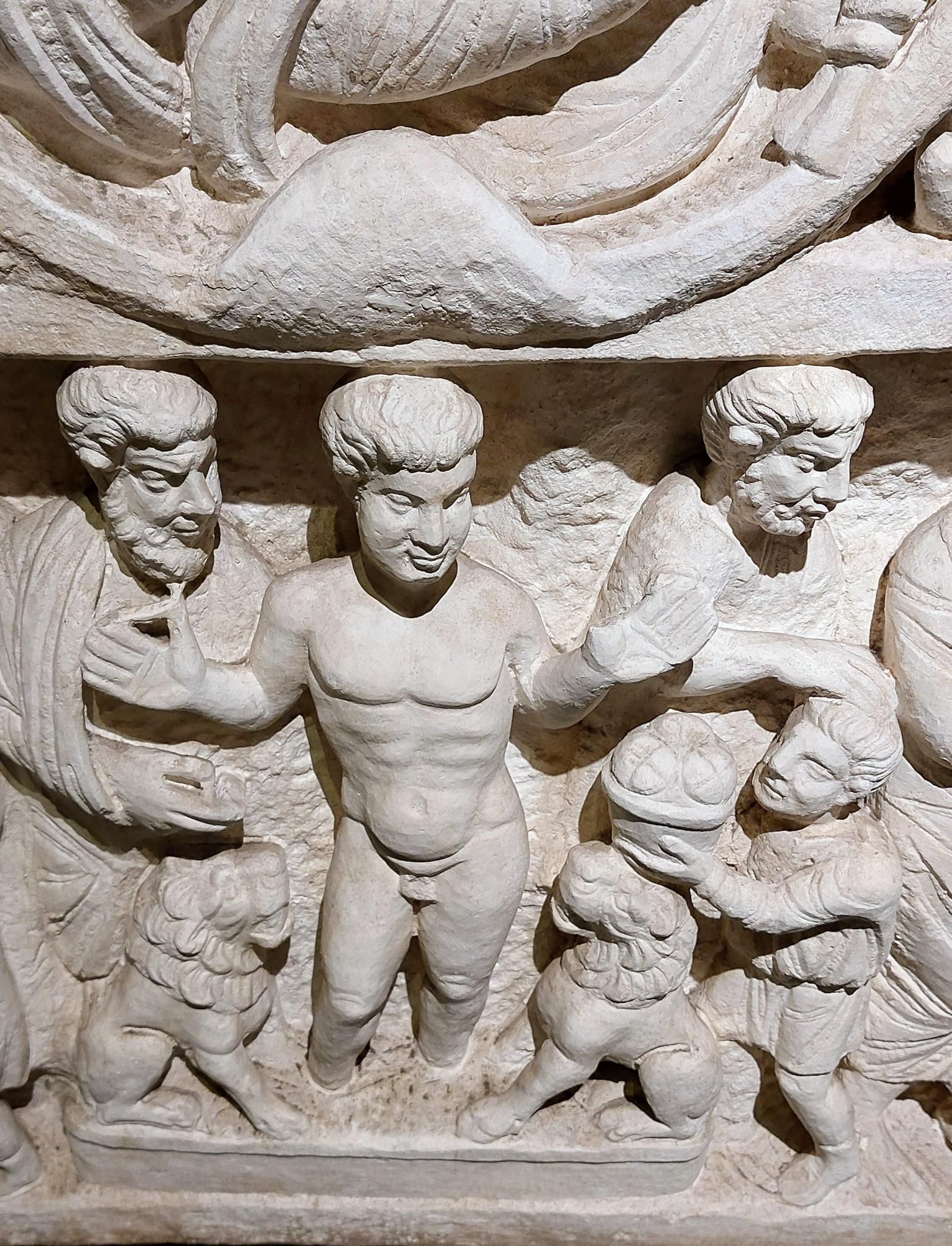
Postscript 2: Gabi recognised the Bavarian pseudo-god on a sarcophagus in St Paul Outside the Walls: Jesus–Mary! The similarities were not merely coincidental on the part of the ancient sculptor, but entirely intentional…